Case study updated September 9, 2026
CYGNUS ENTERPRISES
GAME UX | DESIGN SYSTEMS | PRODUCTION COLLABORATION
Building the UX foundations for a growing game
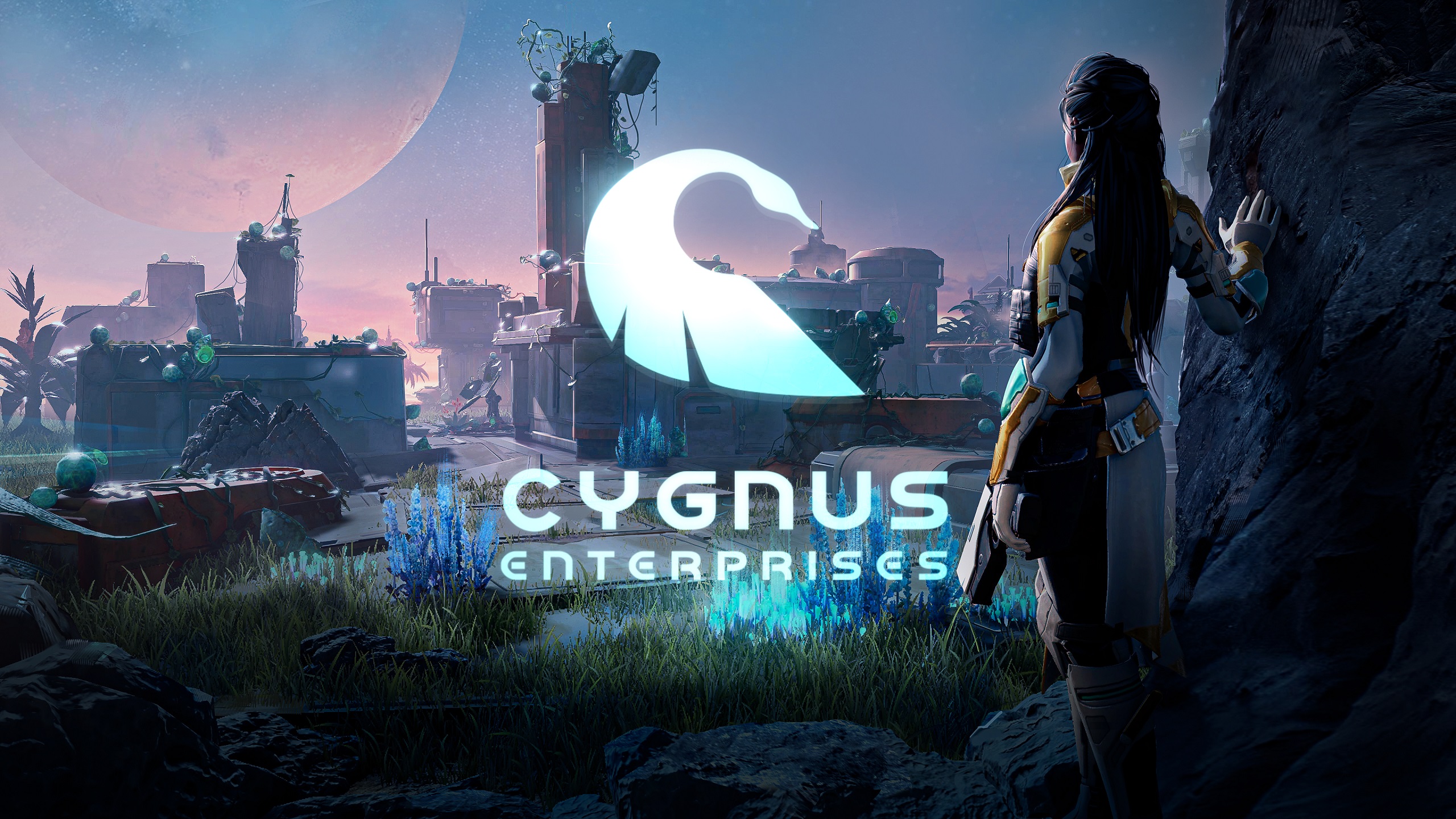
Cygnus Enterprises puts players in charge of an outpost on an alien planet. I joined during pre-production and worked as UI Lead from September 2020 to February 2023. Alongside hands-on interface work, I helped the UX team establish shared design patterns, gather feedback and communicate with other disciplines.
Role: UI Lead
Team: 4 UX designers and 3 UX interns, alongside me
Project period: September 2020–February 2023
Tools: Figma, Adobe XD, Photoshop, Unity and Fork
My contribution
- Reviewed UX work, maintained the design system and planned the team’s work.
- Created UX documents, high-fidelity mockups and Figma prototypes, and set up UI assets in Unity.
- Worked with researchers, designers, programmers, QA, artists, production and localization.
- Created onboarding material and mentored UX interns.
1. A design library the team could maintain
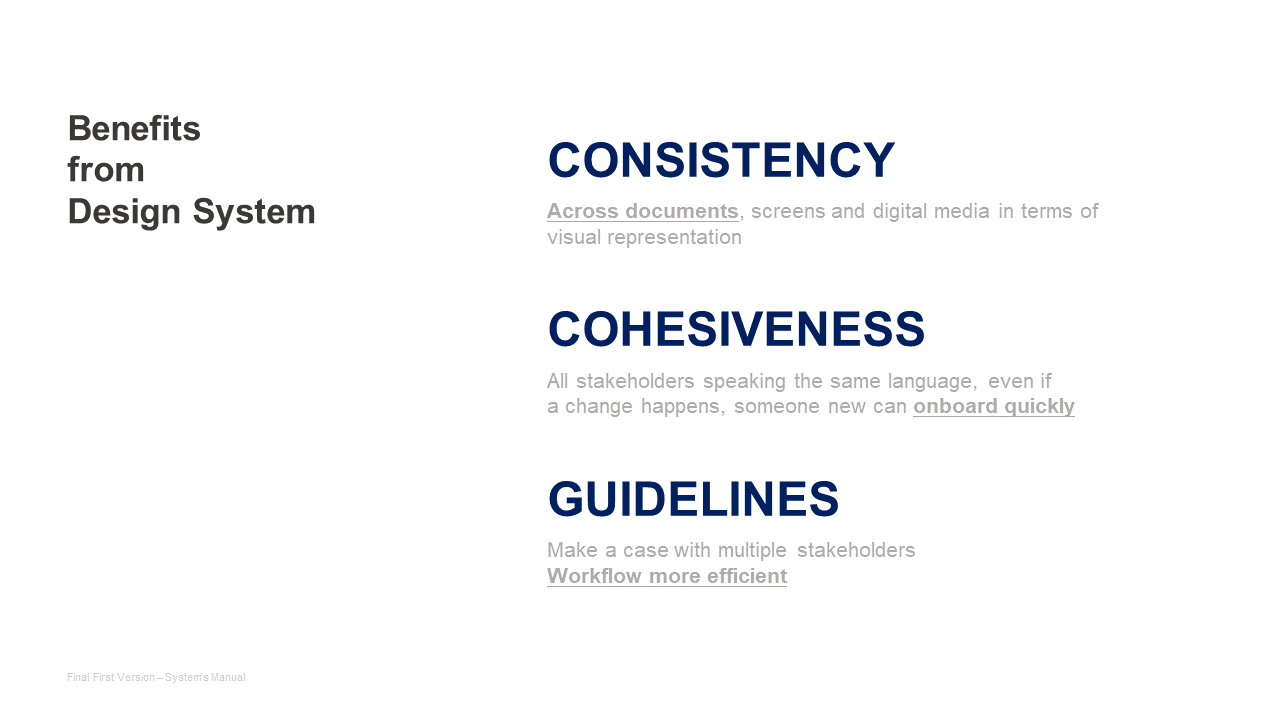
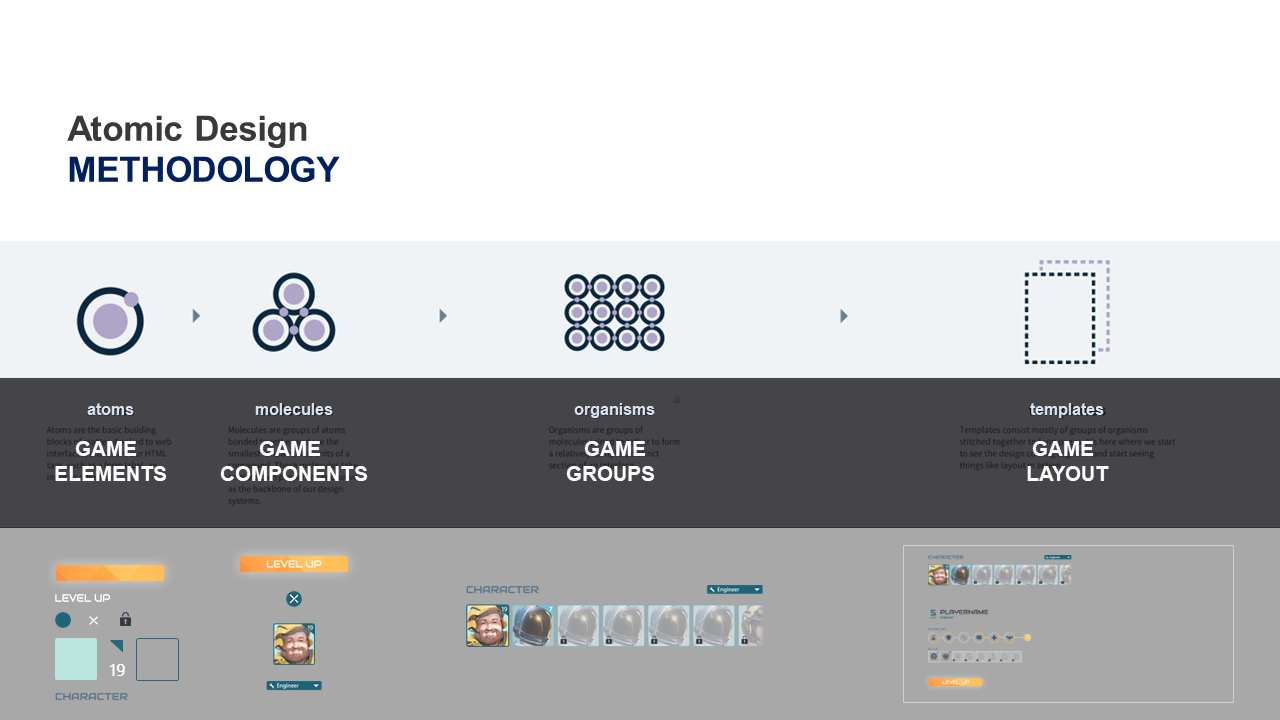
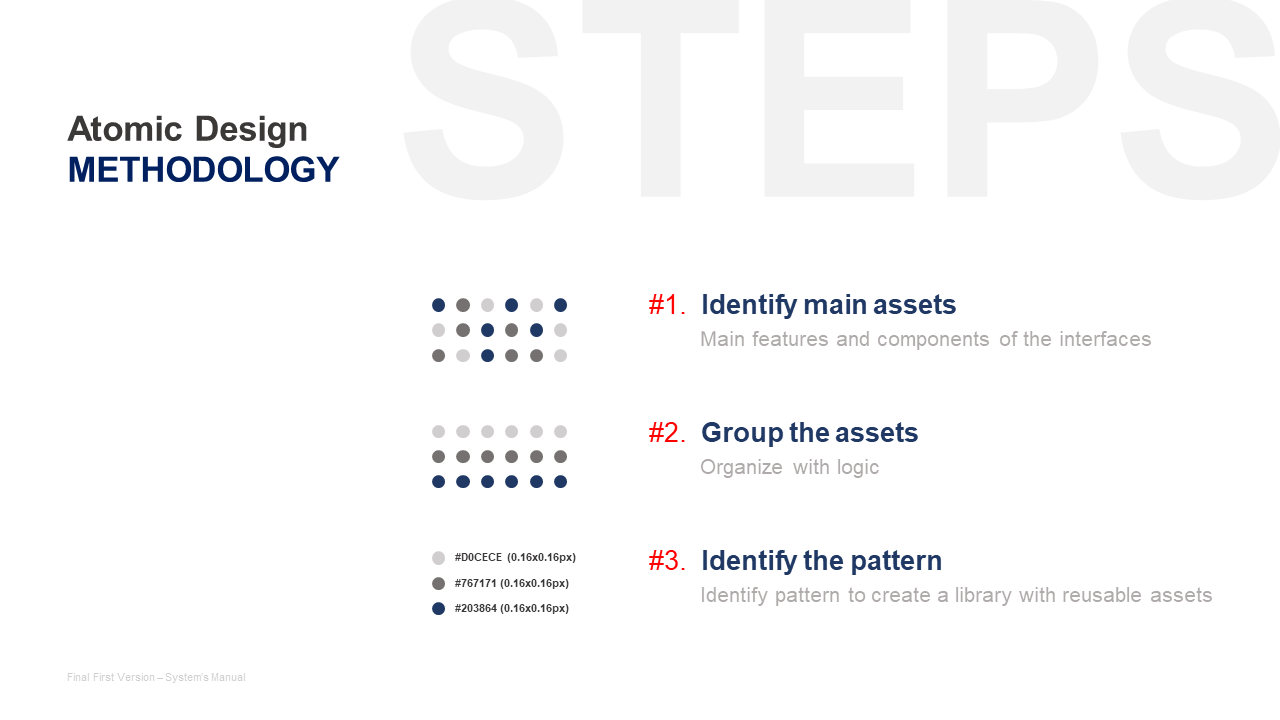
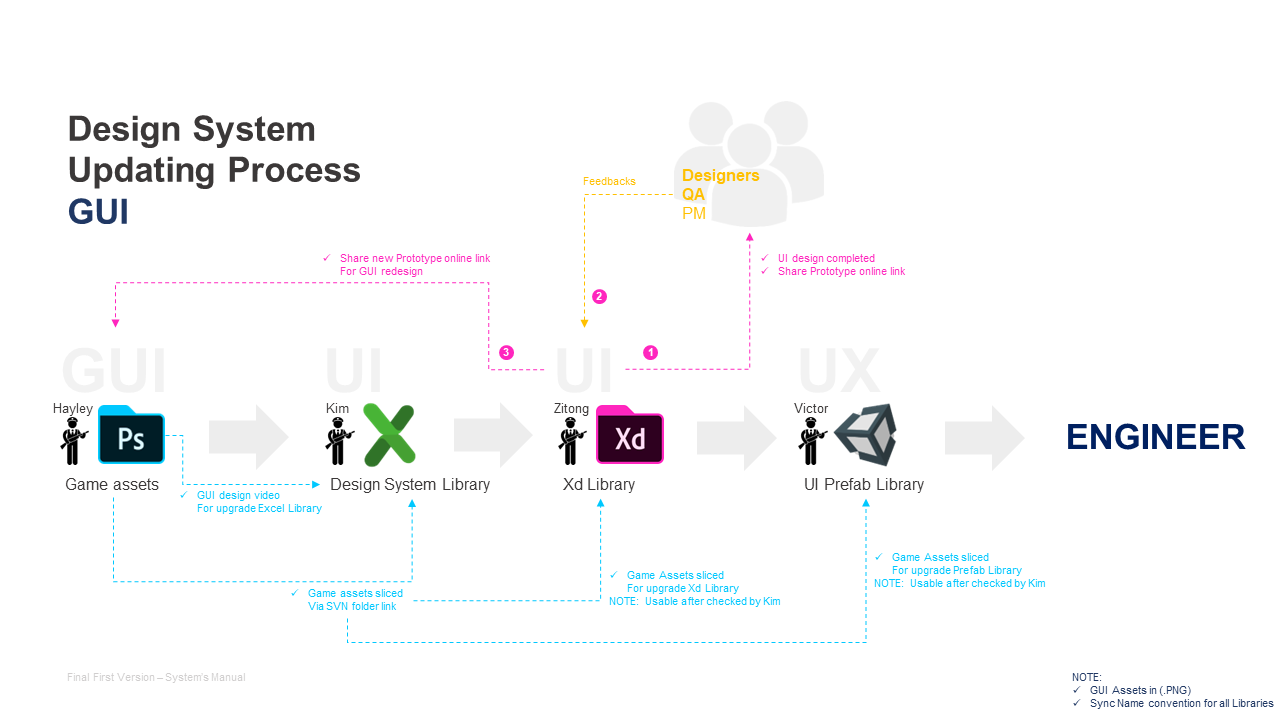
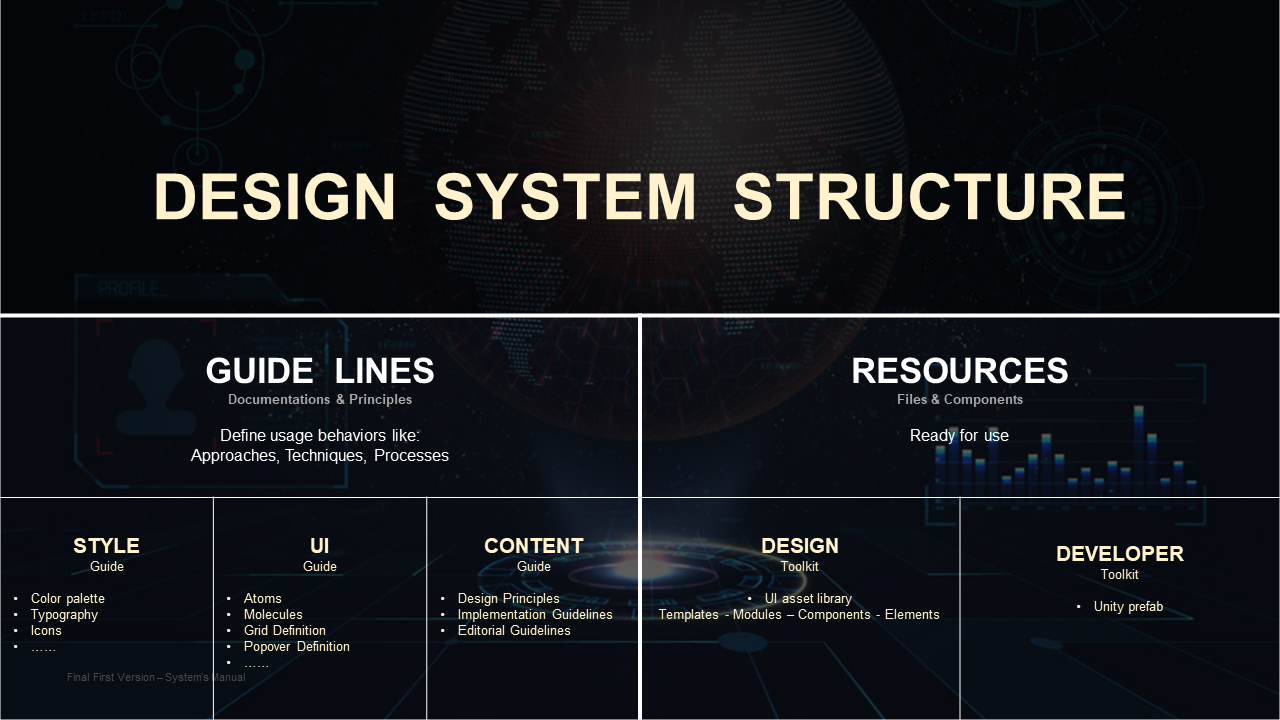
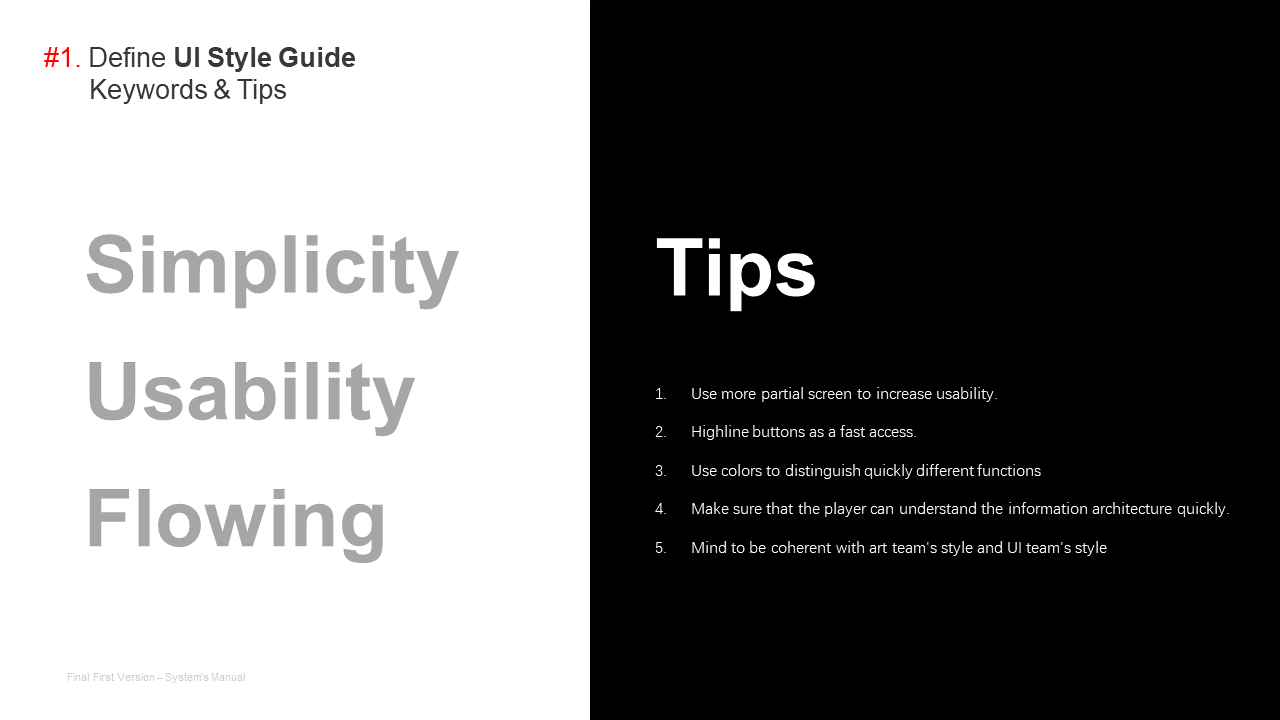
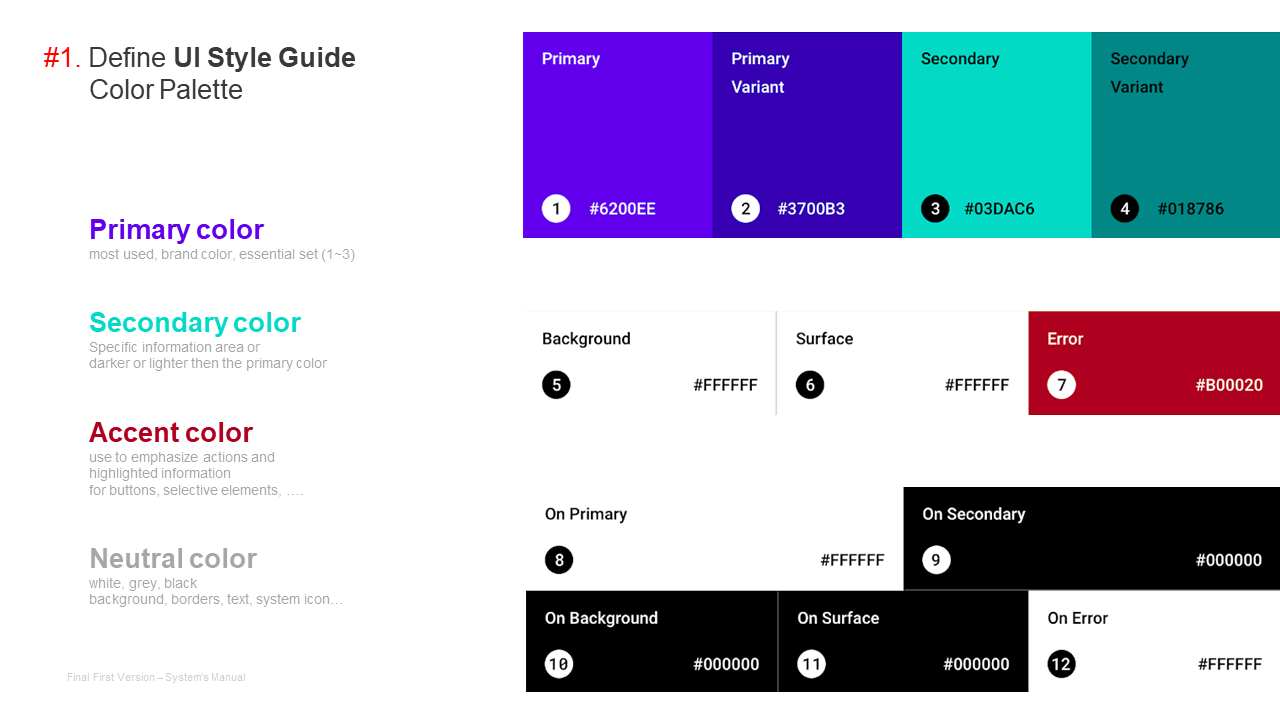
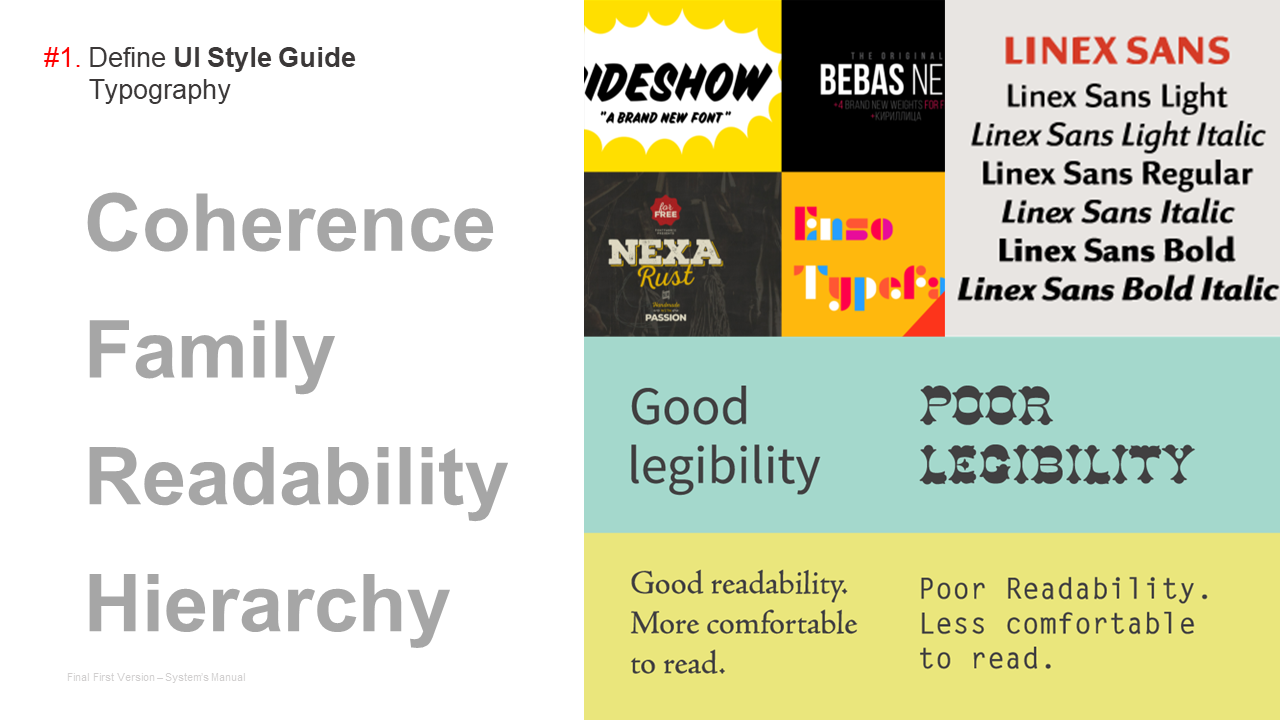
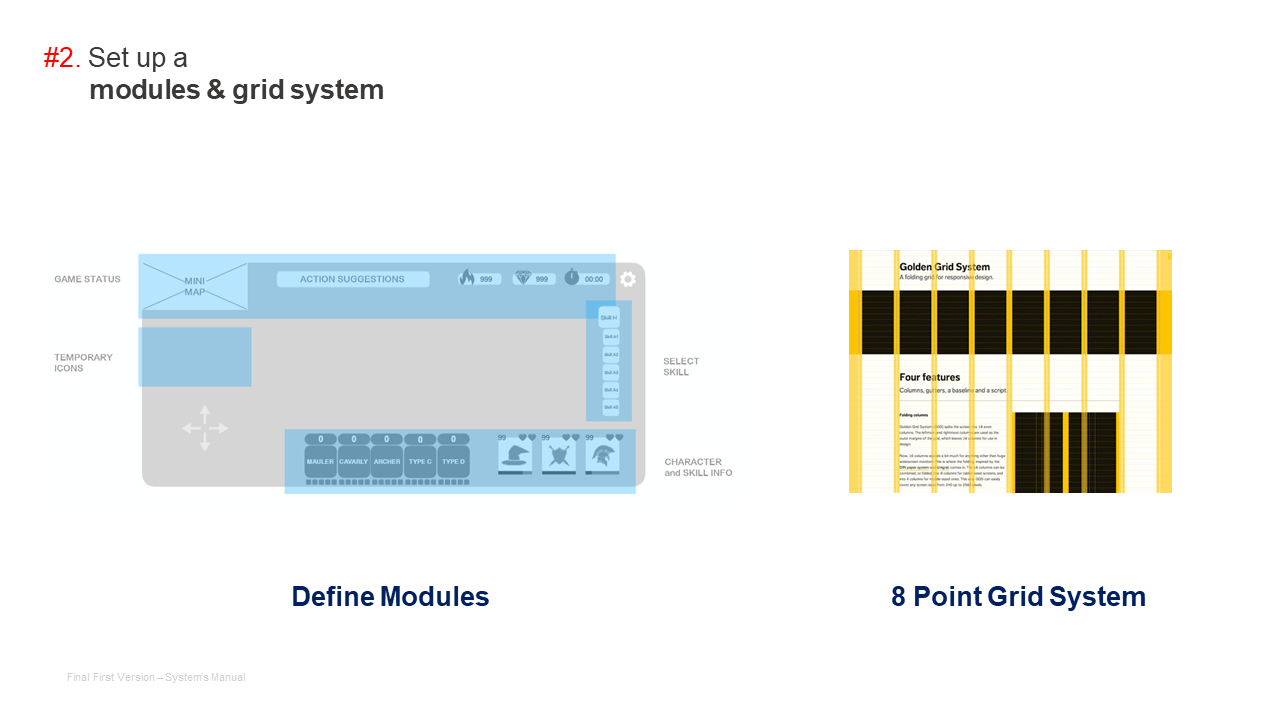
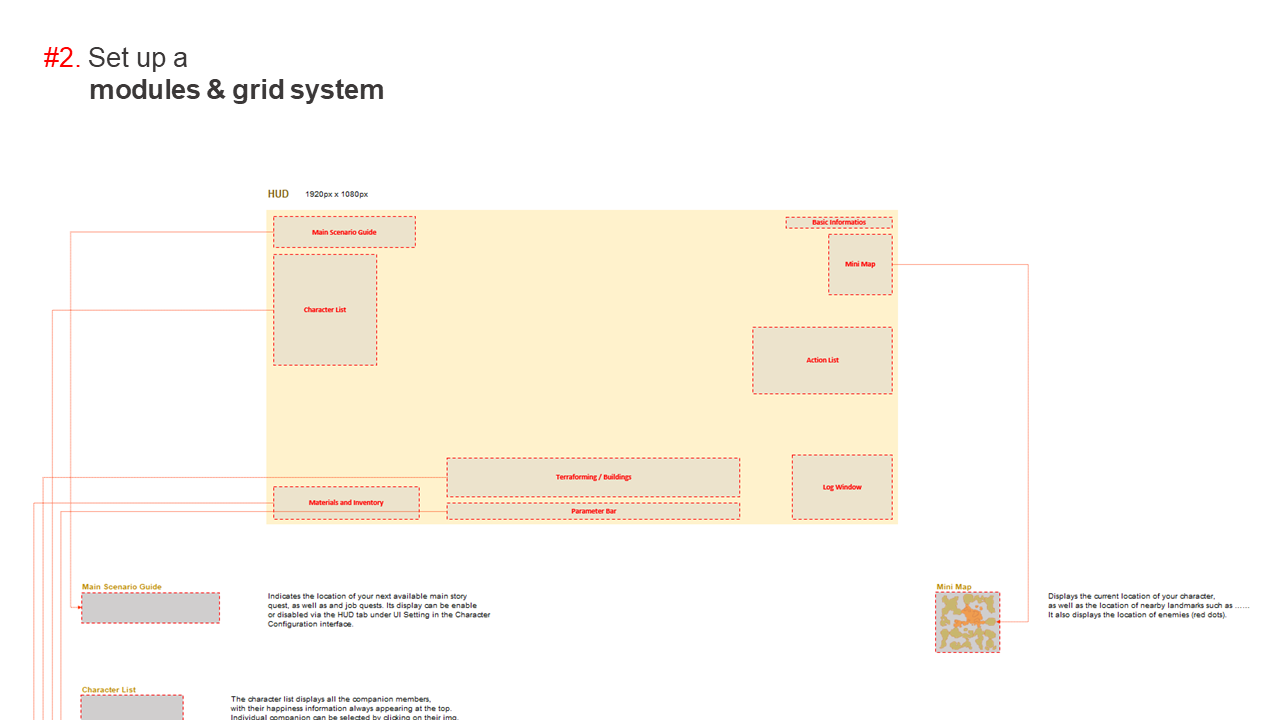
As new features were added, interaction patterns became inconsistent and earlier designs needed rework. I proposed a shared design system to help the team make decisions across features, rather than treating every screen as a separate problem.
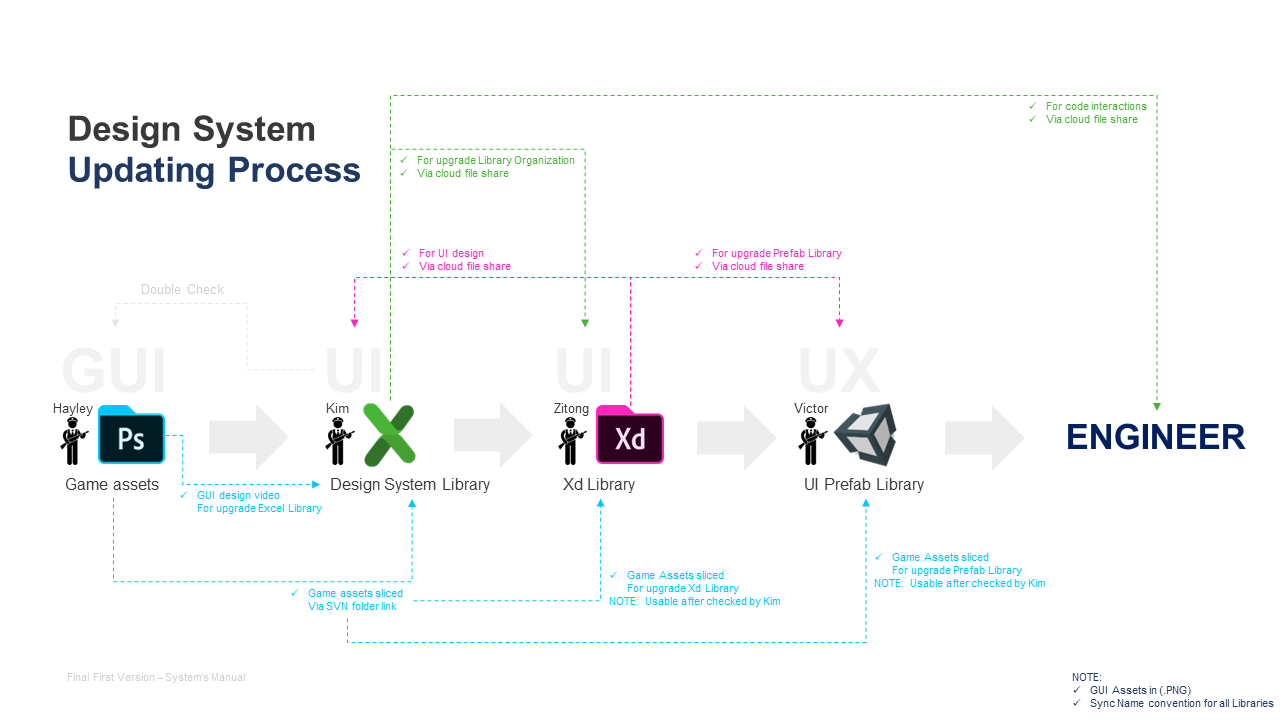
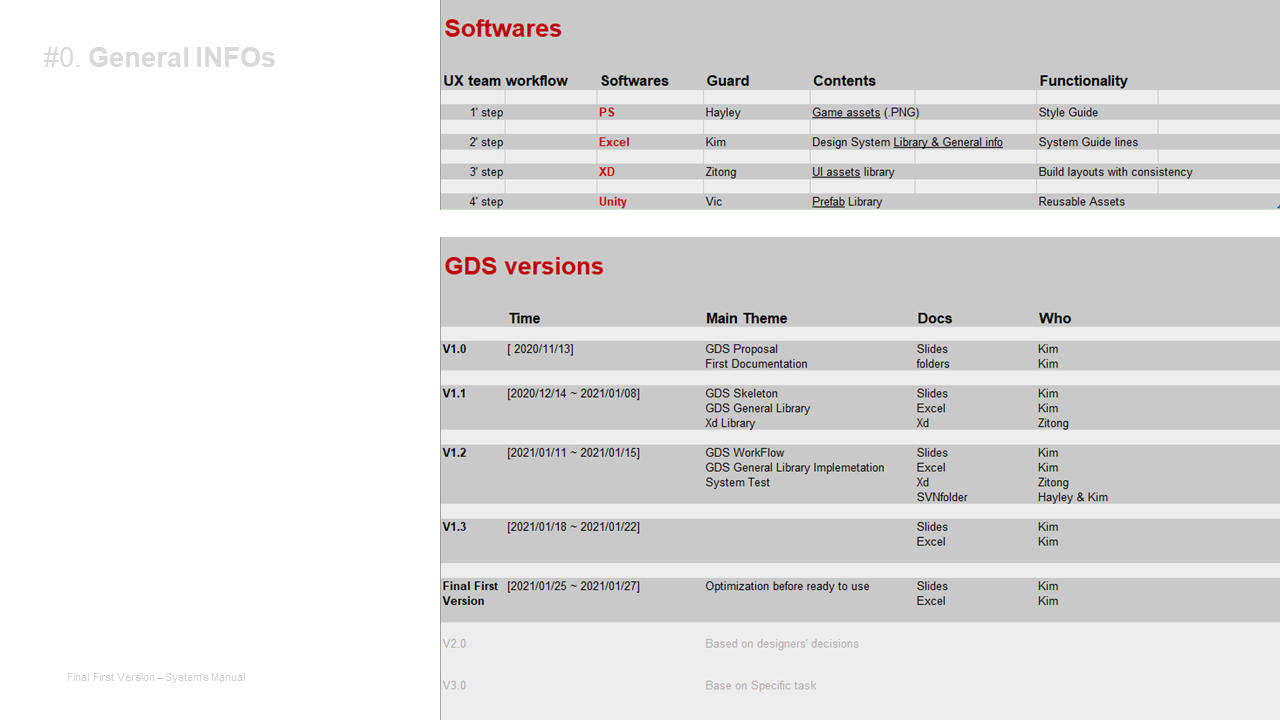
I built the first library in a shared Excel document. It was detailed, but keeping it current took time away from design work. A dedicated maintainer was outside the budget, and evolving mechanics made rigid categorization difficult. We moved the library into Figma so that the guidance could sit closer to the design work.
The lesson was practical: a library needs to be easy for the team to use and update. Shared understanding mattered more than documenting every possible detail.
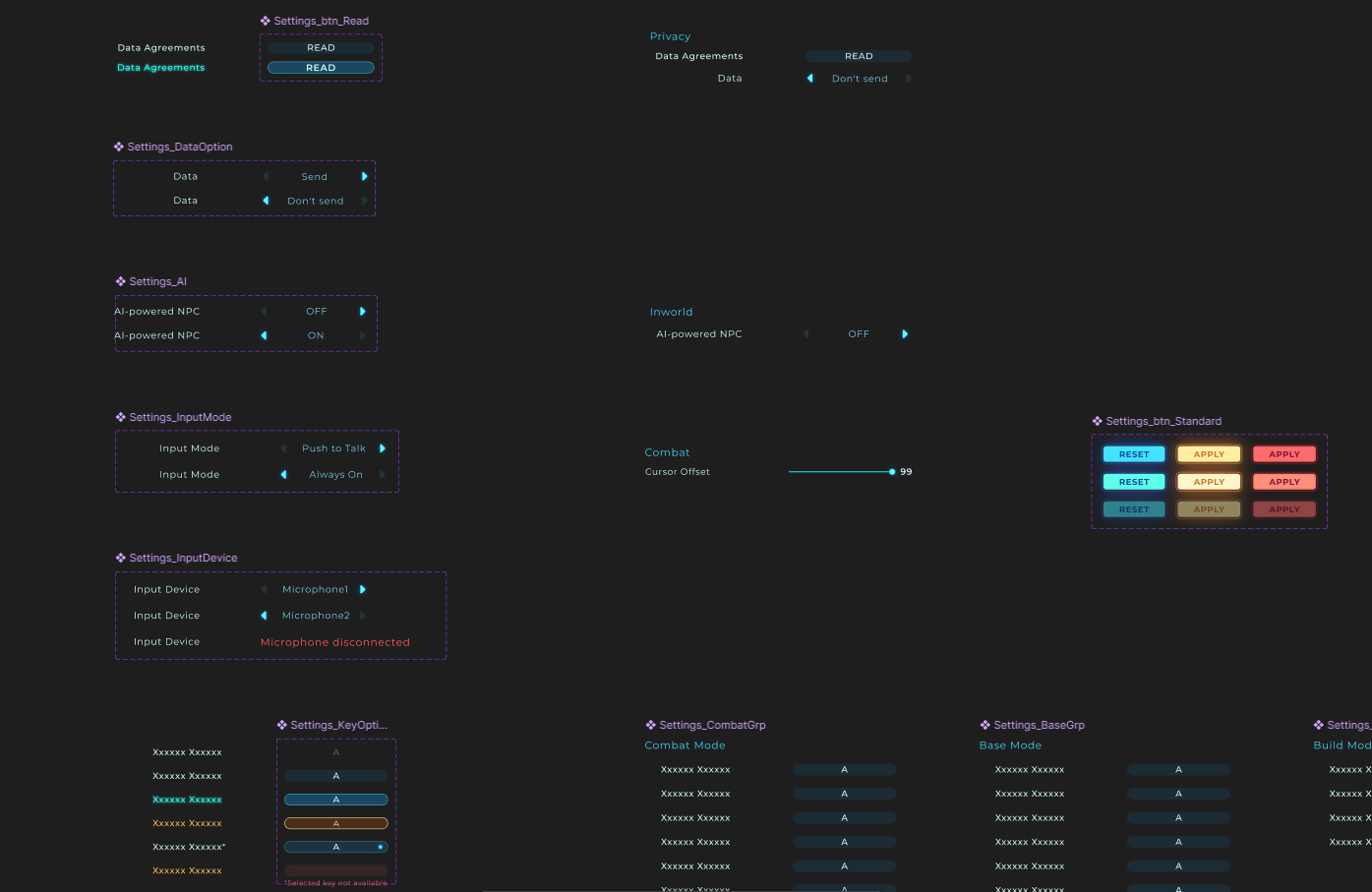
Figma design library. The original proposal and earlier library examples are below.
2. Gathering feedback before and after release
Early in development, we did not have access to external players. I organized internal playtests and surveys to bring observations into a process that had relied heavily on personal experience.
Internal testing had limits: colleagues already knew the game, and short sessions did not explain every response. I learned to keep surveys focused and ask for the reasoning behind feedback. These sessions helped identify questions to investigate; they did not represent the full player audience.
Later, I designed an in-game feedback flow and worked with QA and programmers on how reports would be stored and used. The difficult part was connecting a simple player-facing form to information the team could act on.
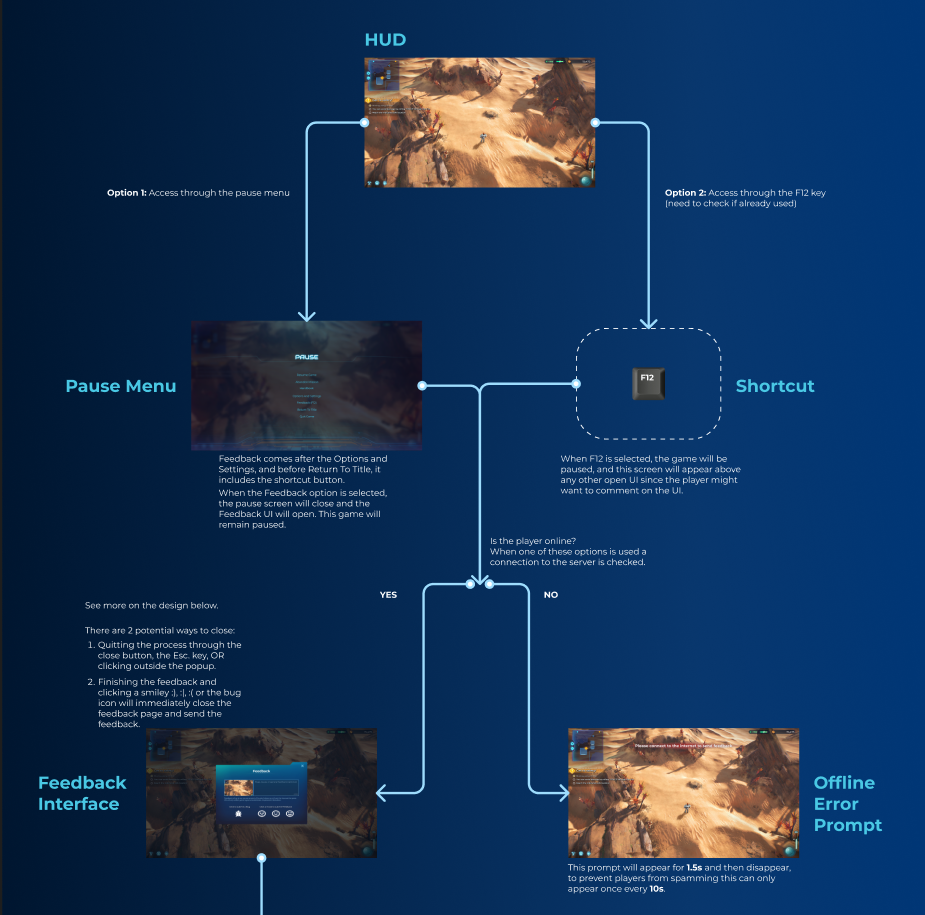
Feedback flow: connecting player reports with the team’s review process.
3. Making implementation needs explicit
I worked with programmers on telemetry planning and documentation, and with the legal team on the data requirements needed for privacy review. The documentation covered the information different teams needed; legal assessment remained a collaboration with the legal specialists.
For key bindings, I documented commands and conflicts across gameplay contexts. The example below followed several implementation iterations, making it a concrete record of how interaction rules were refined.

Key-binding documentation, including command behavior and interaction constraints.
I also created the UX interactions for AI NPC features. For the world map, I used a high-fidelity Figma prototype to communicate interaction and motion to programmers and the VFX team.
World-map interaction prototype in Figma.
What this work demonstrates
My contribution combined hands-on UX design with the systems that supported the team: reusable patterns, design reviews, feedback flows and implementation documents. The examples show the work I produced and how I adapted it to production constraints.
Original project documentation
Selected original documents and recordings show the detail behind the case study. Game footage provides context for the team’s work.
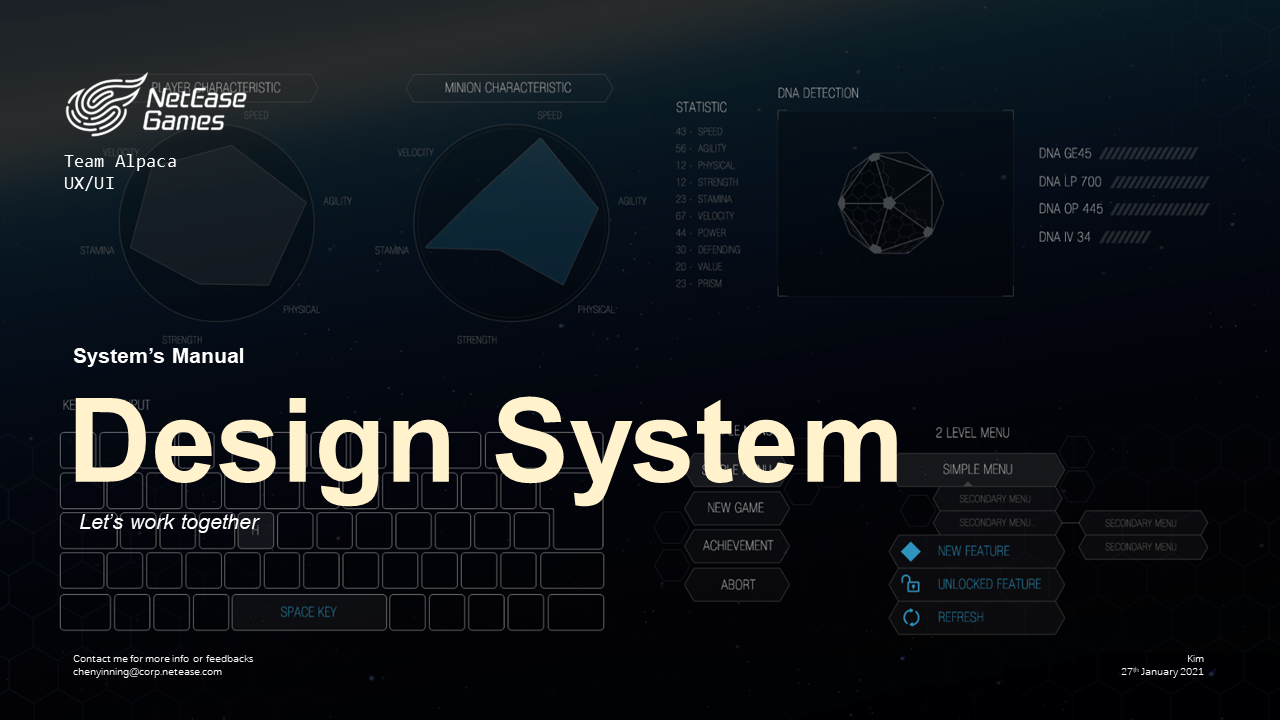
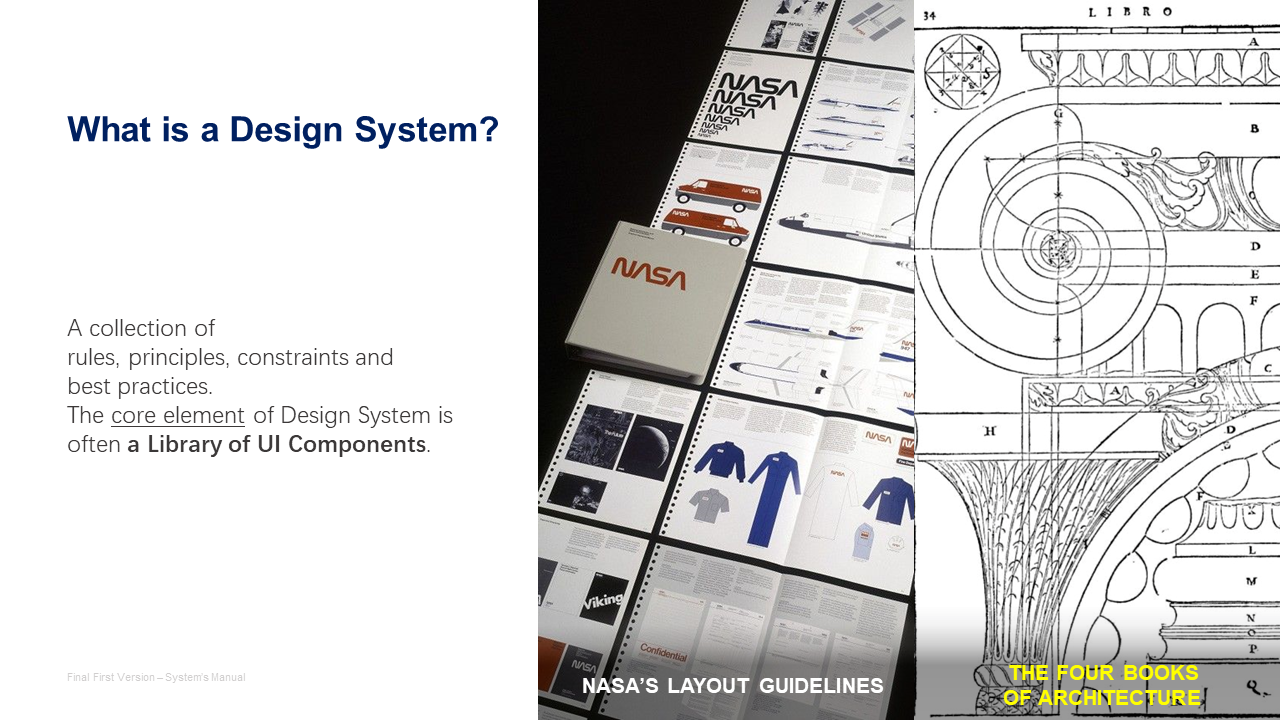
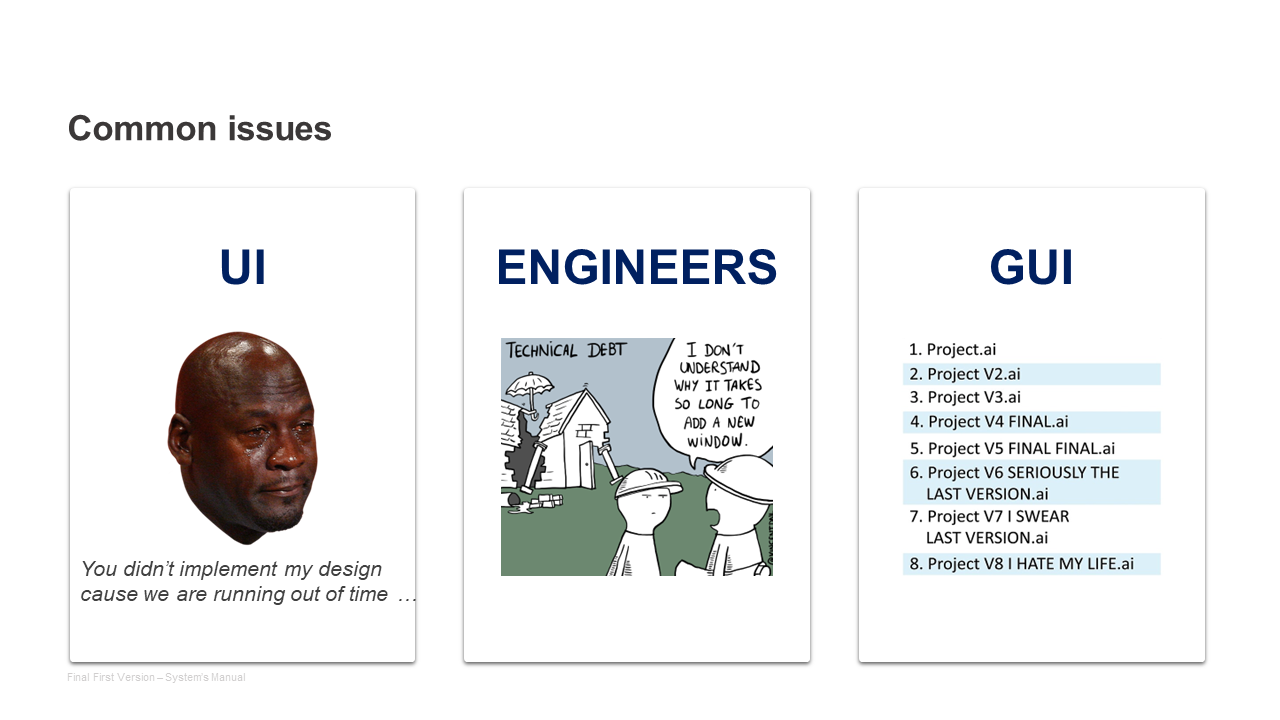
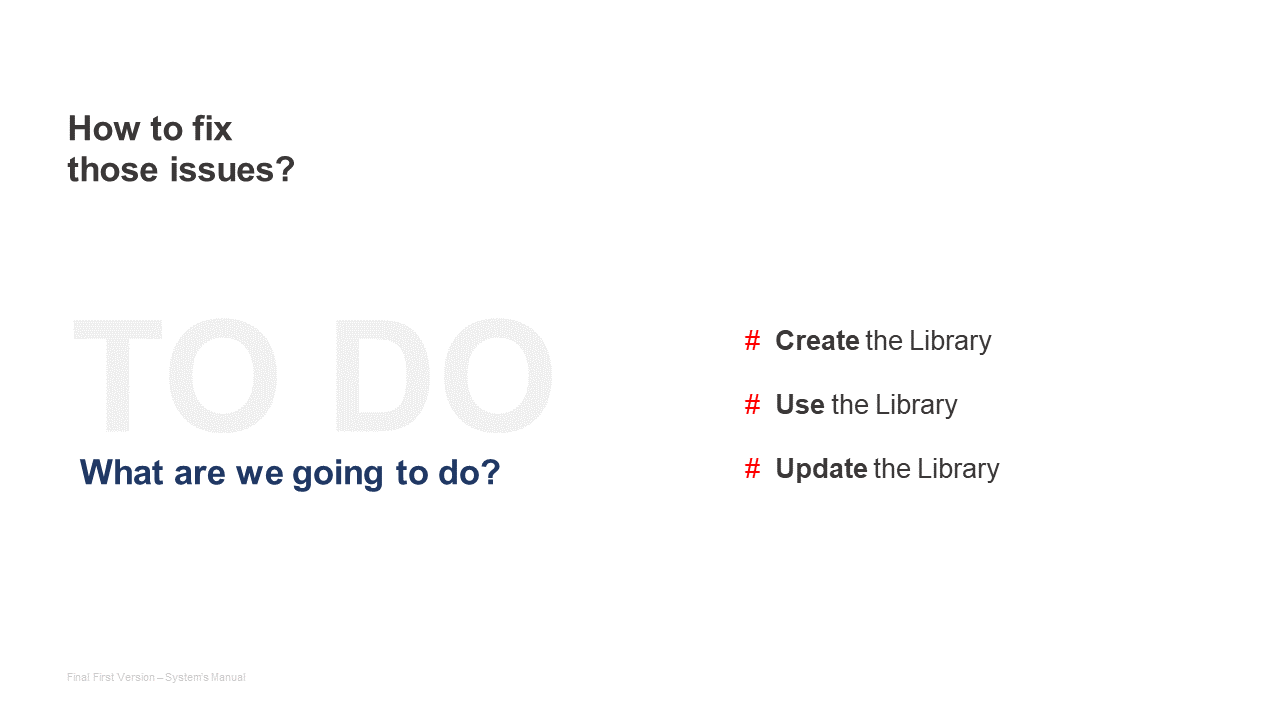
Design-system proposal
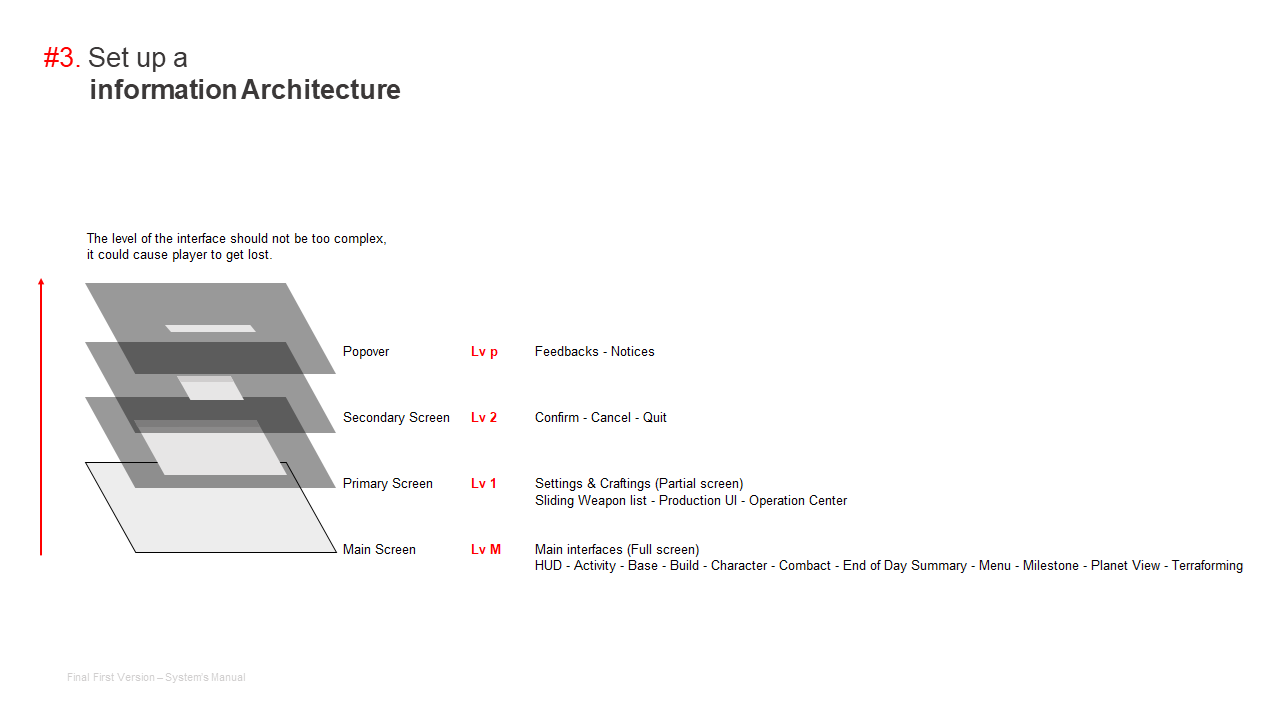
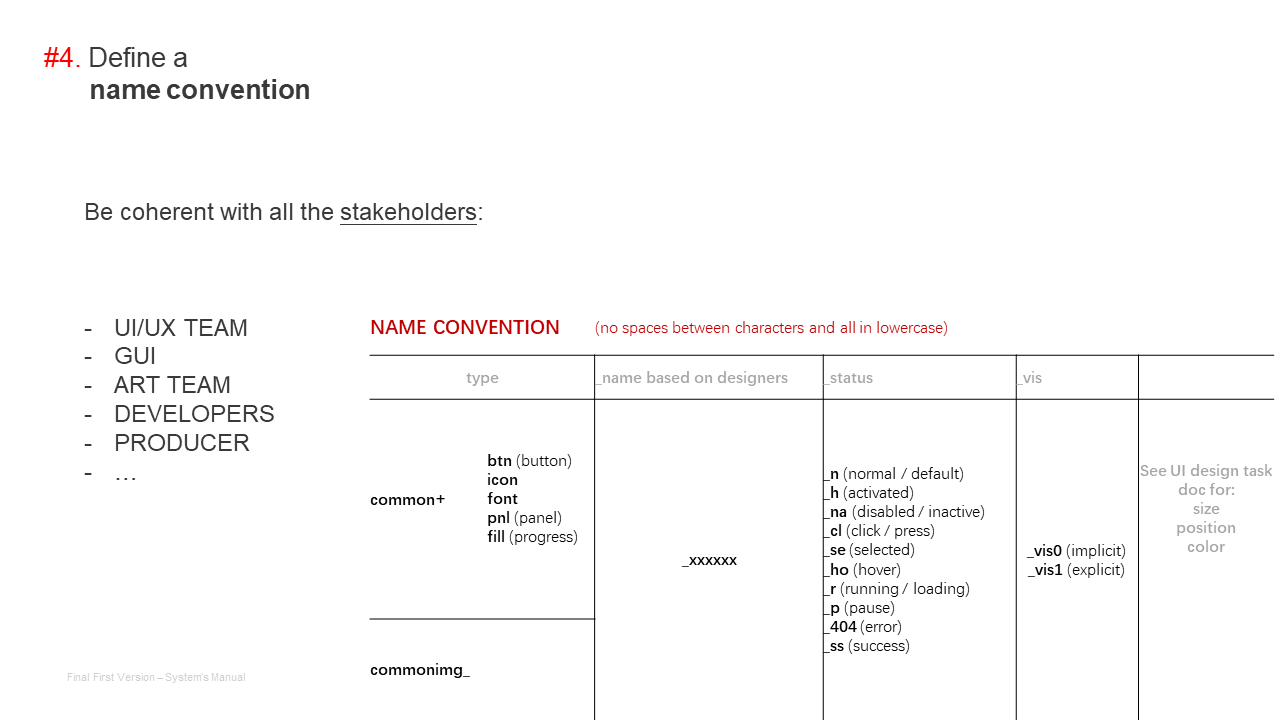
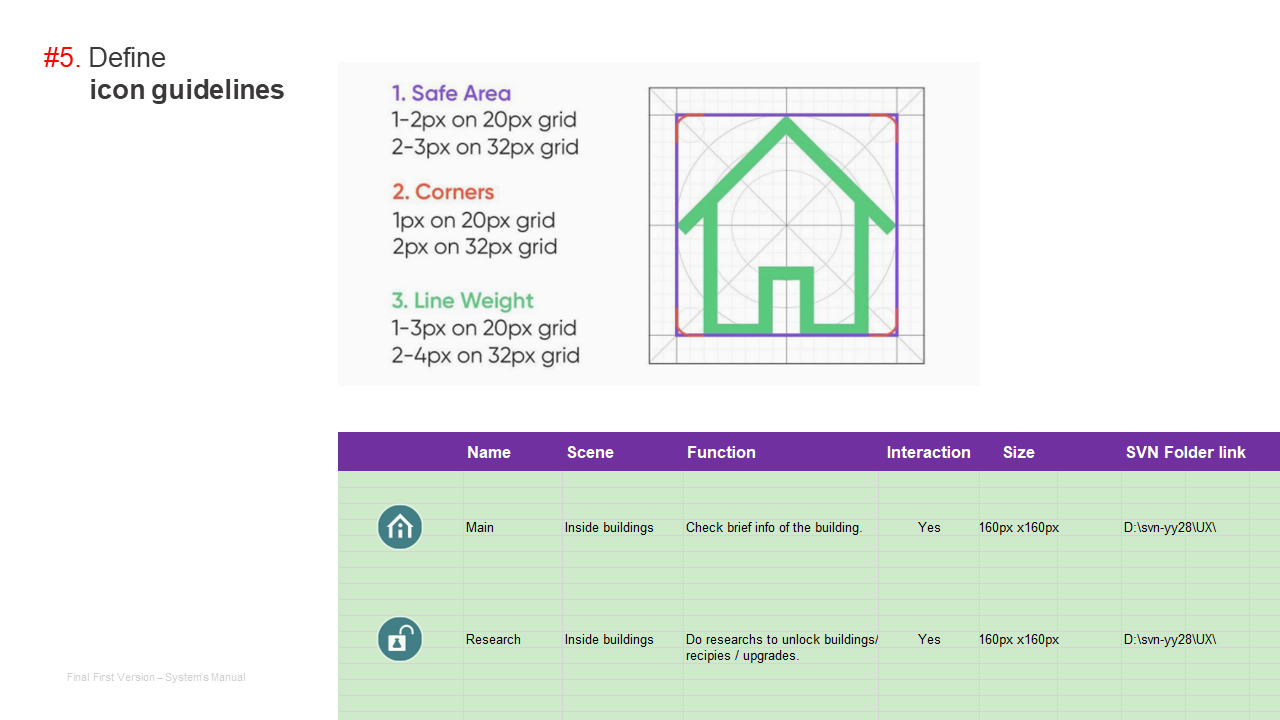
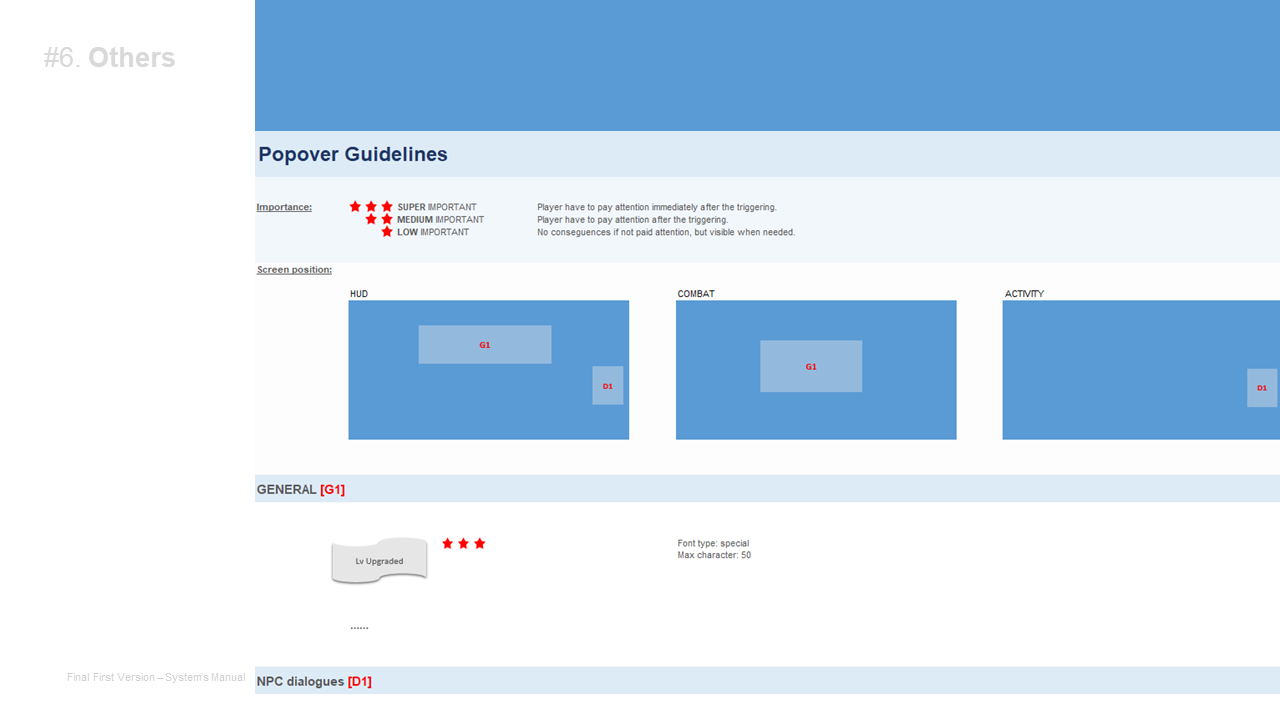
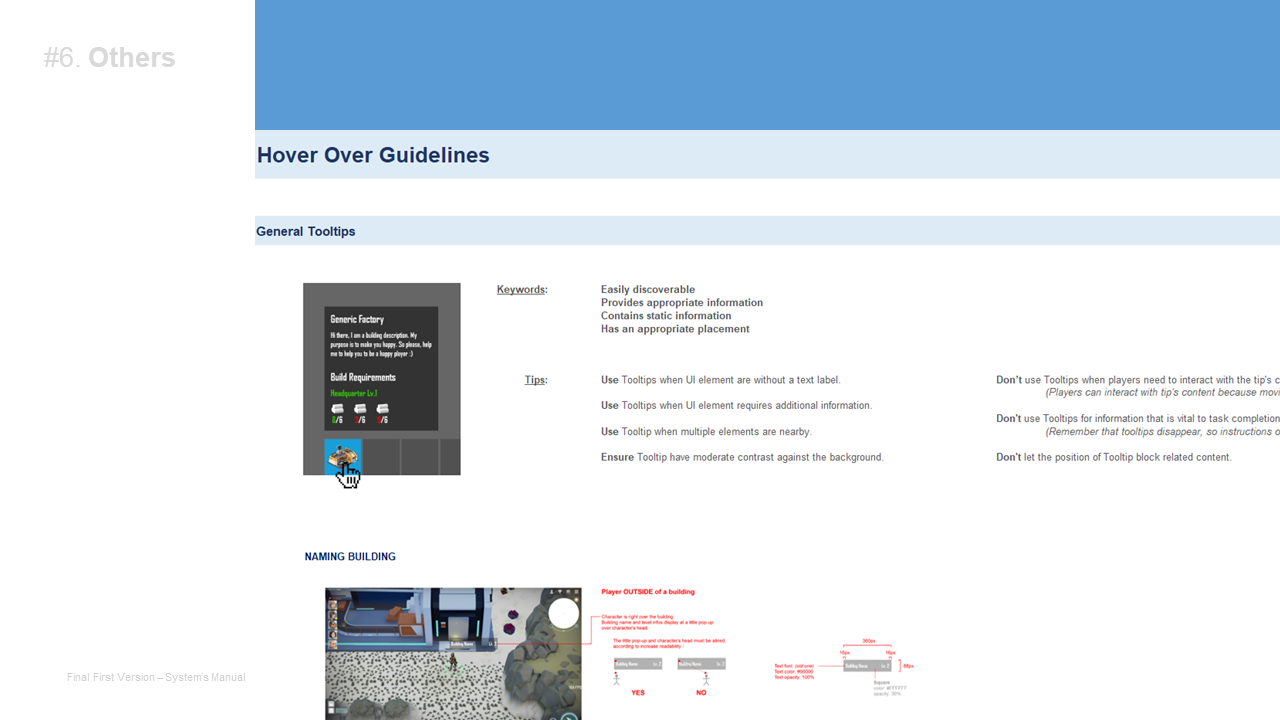
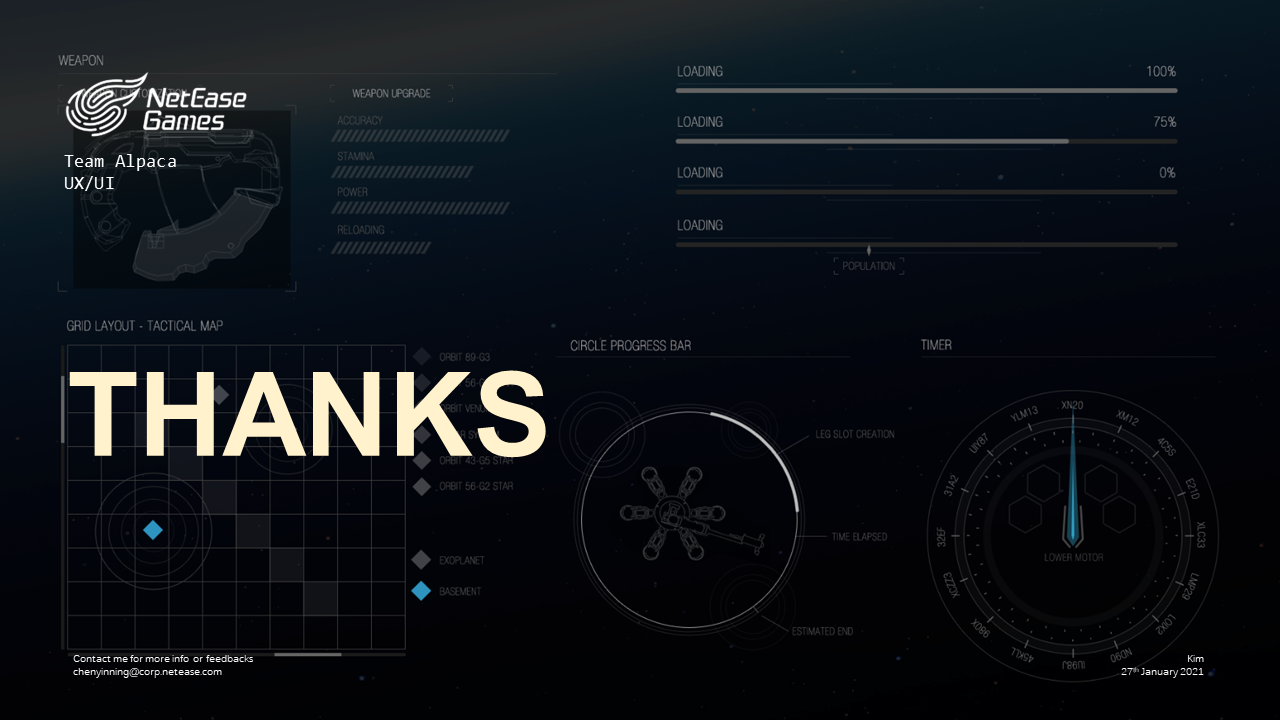
1 / 22 · Select a slide to view full size
Early design library
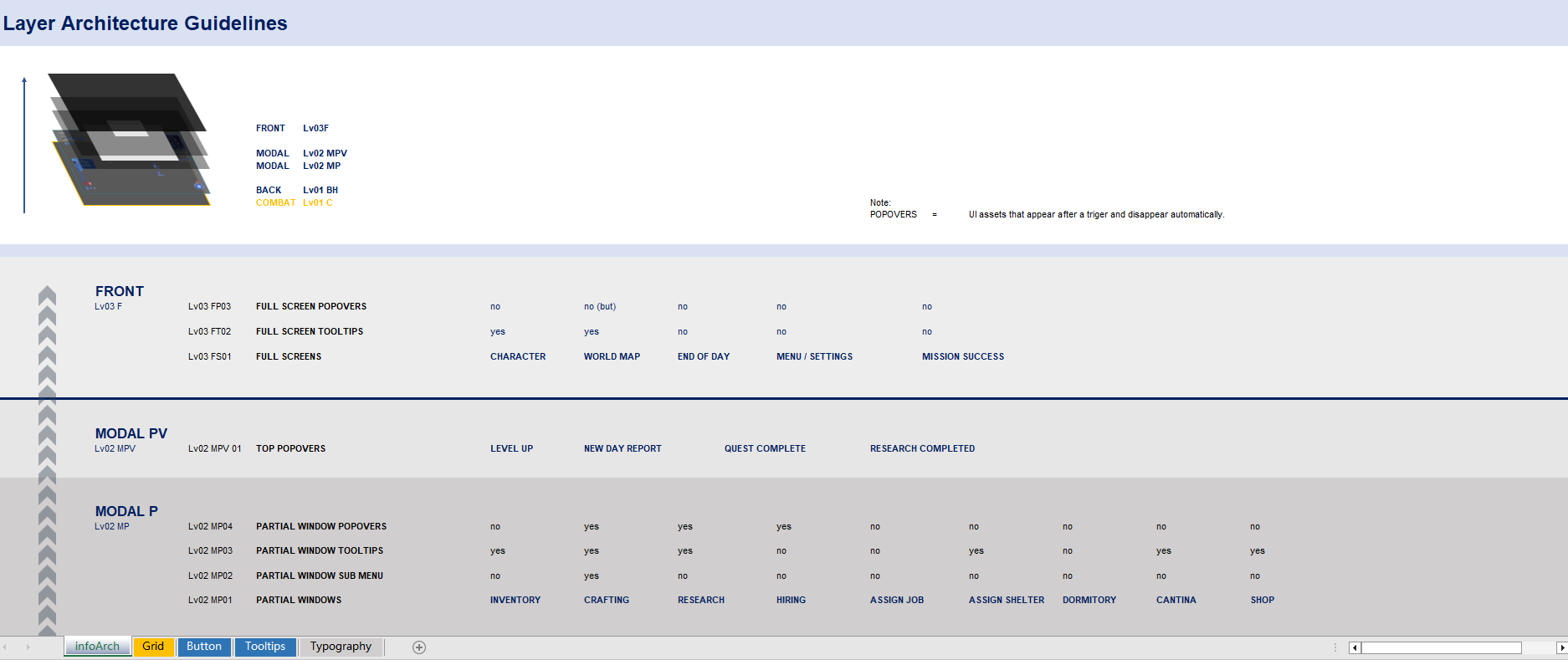
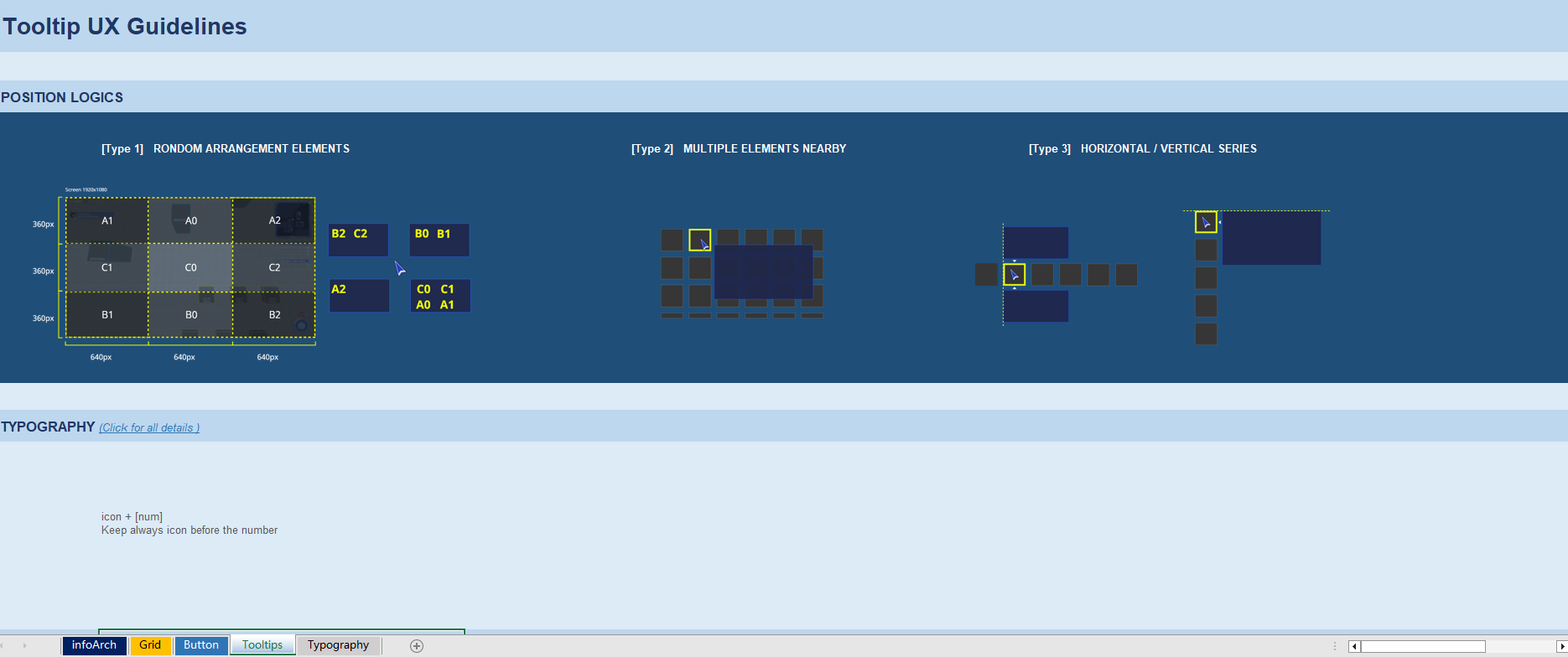
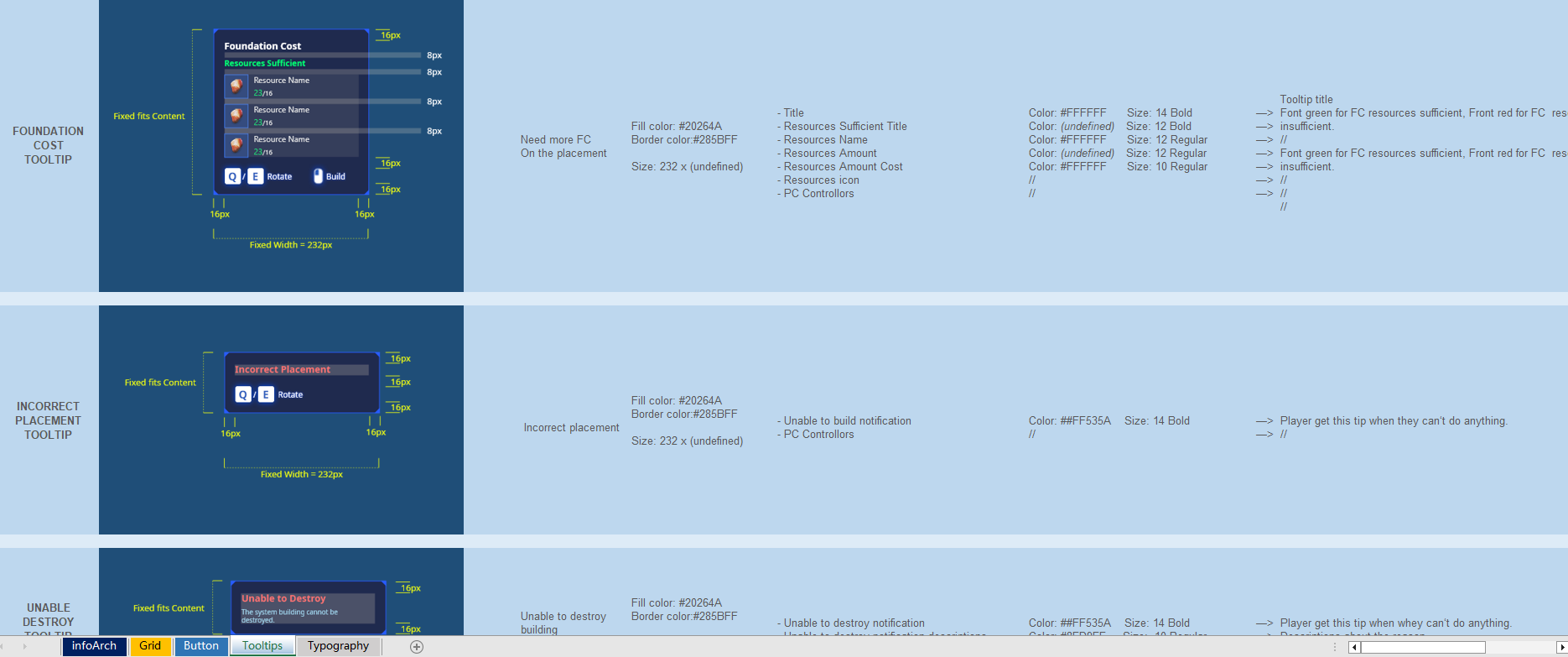
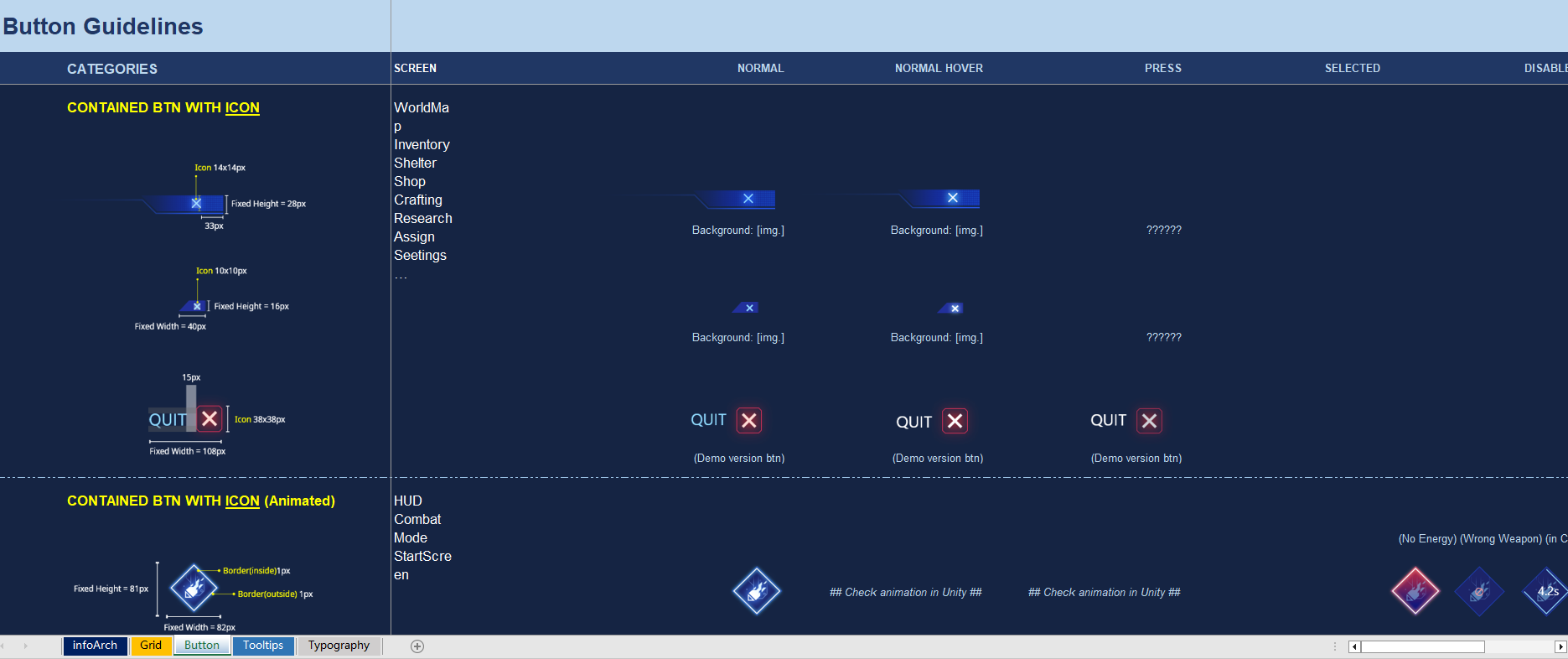
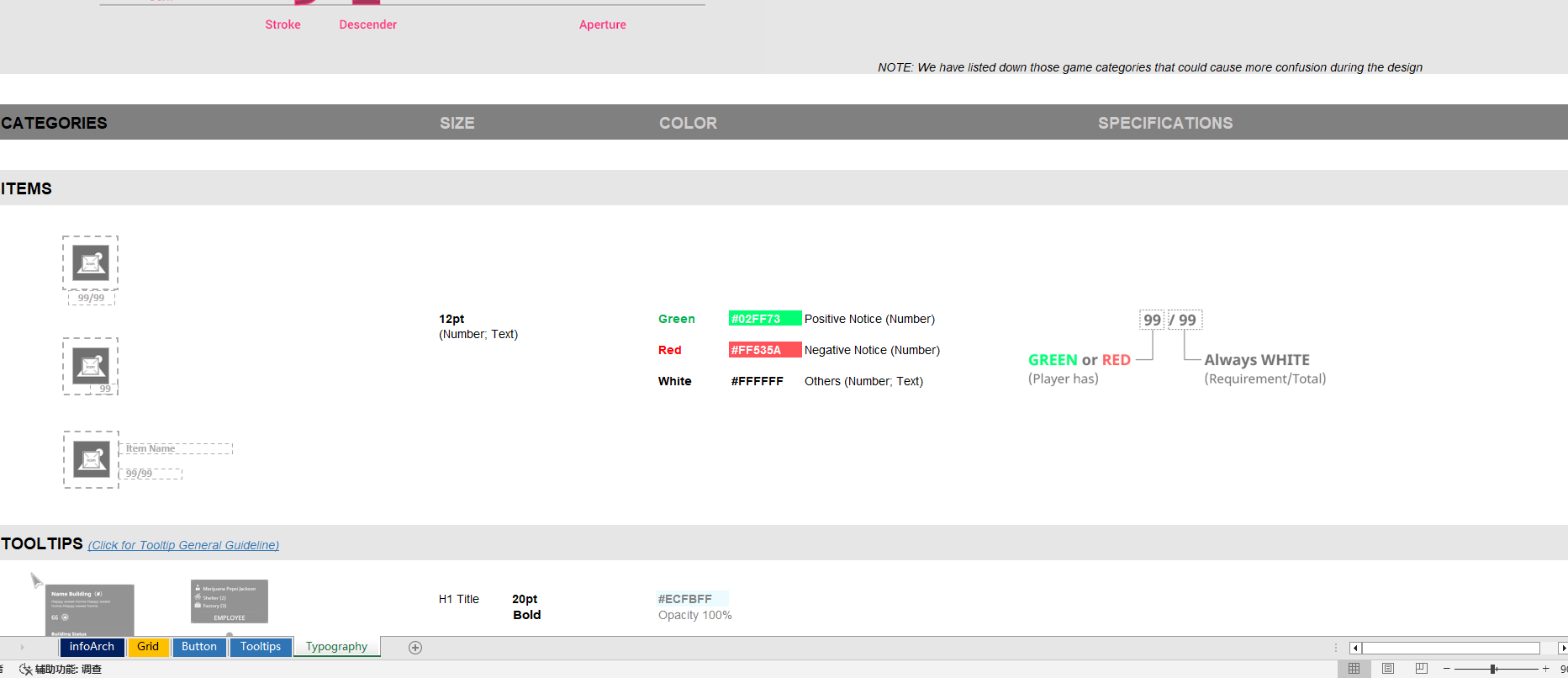
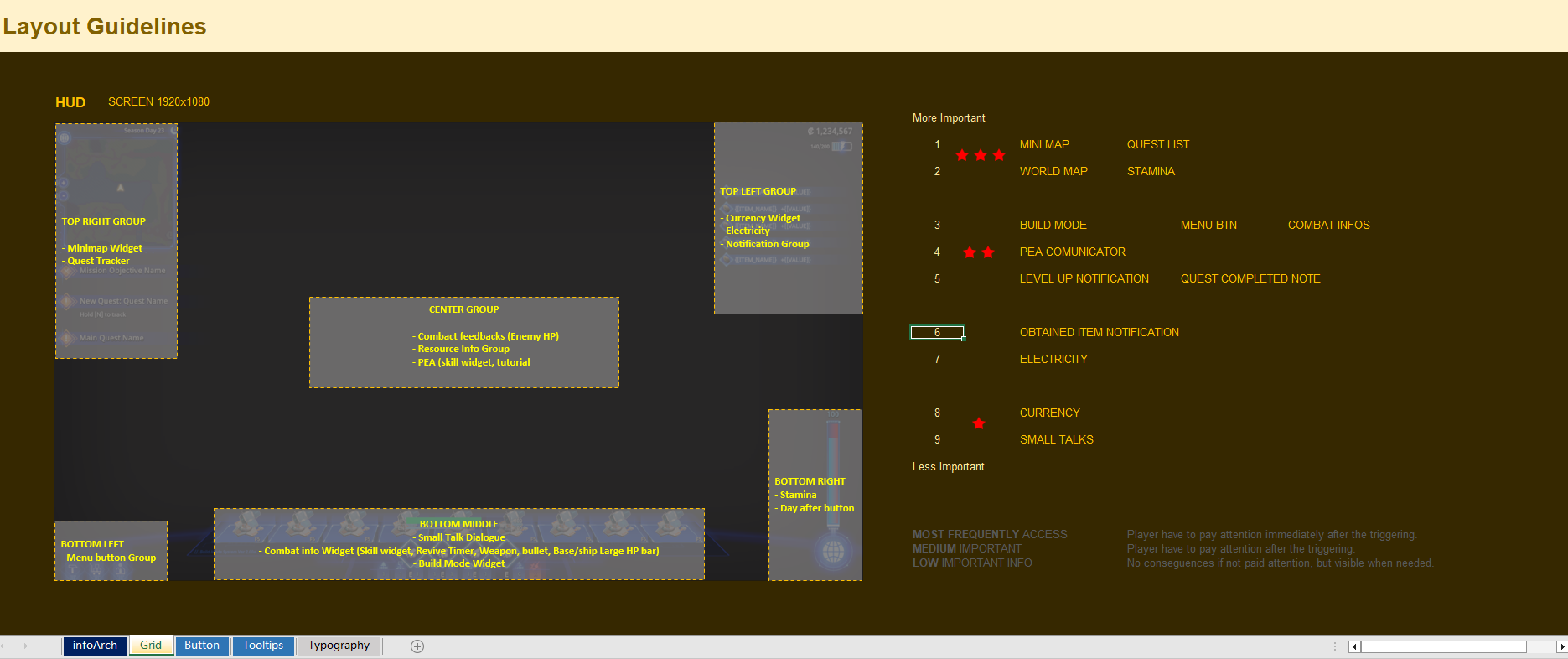
Early shared-library examples, before the move to Figma.
Feedback and telemetry
Internal feedback recording.
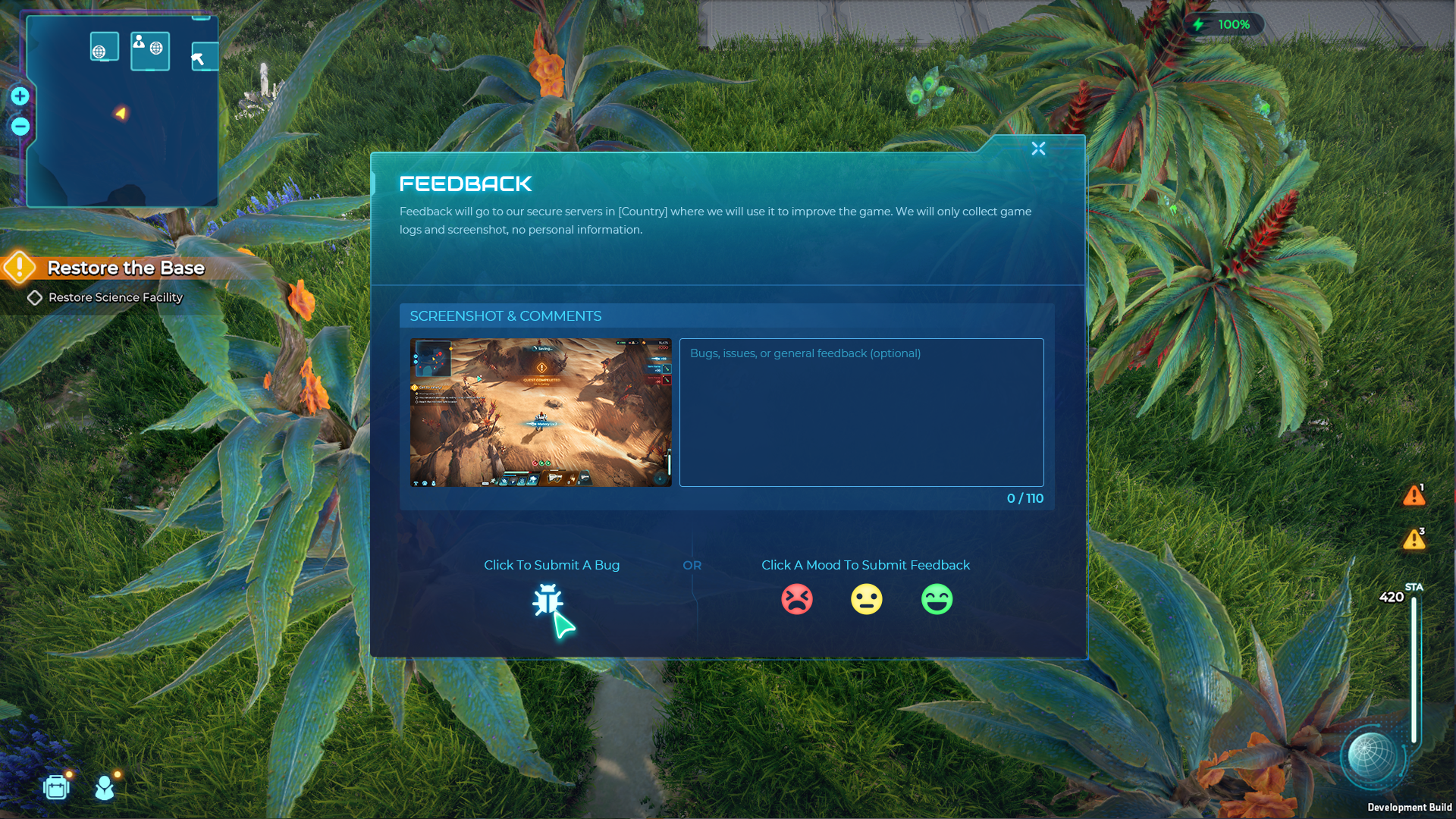
In-game feedback interface.
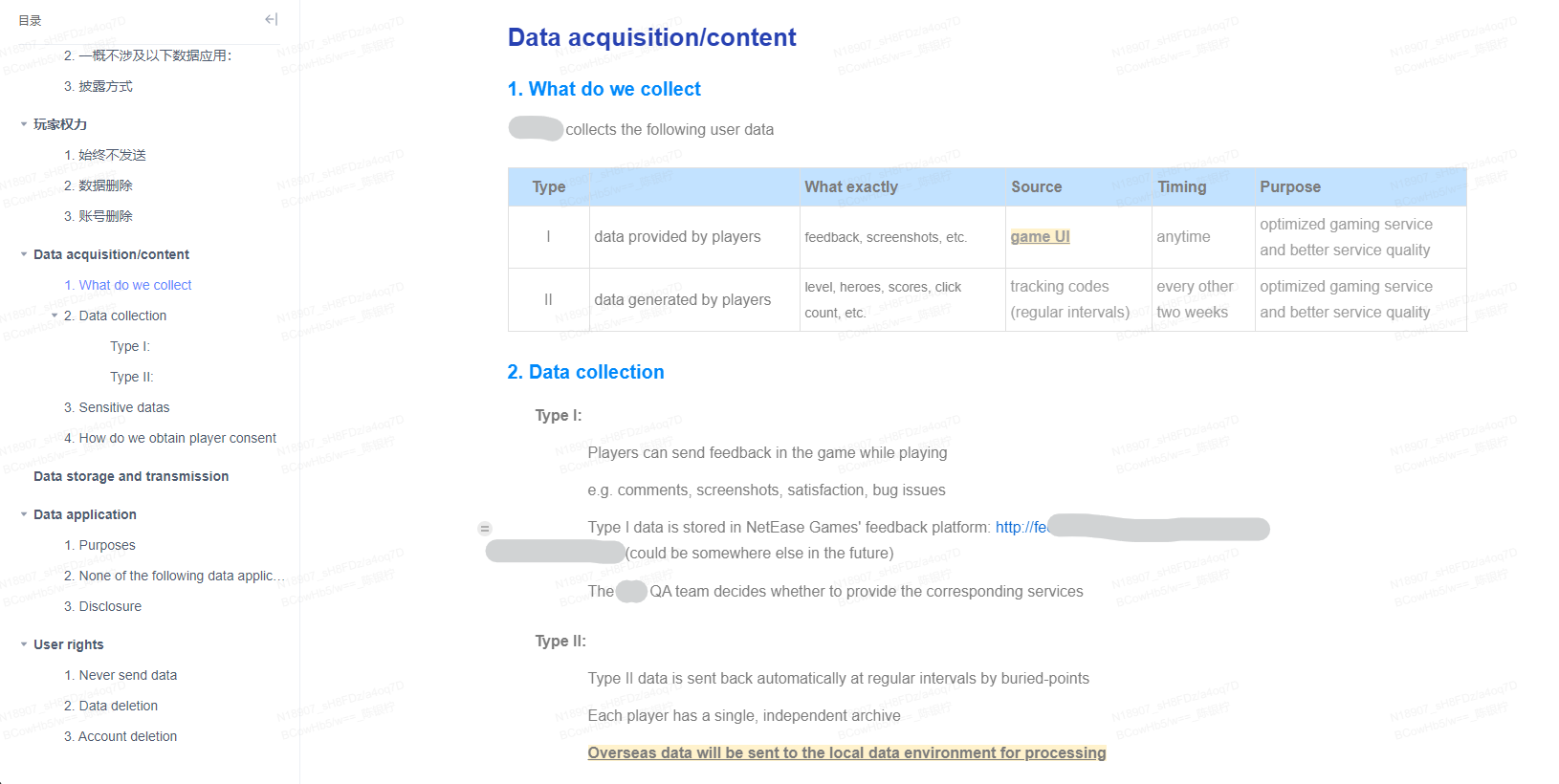
Data requirements prepared for discussion with the legal team.
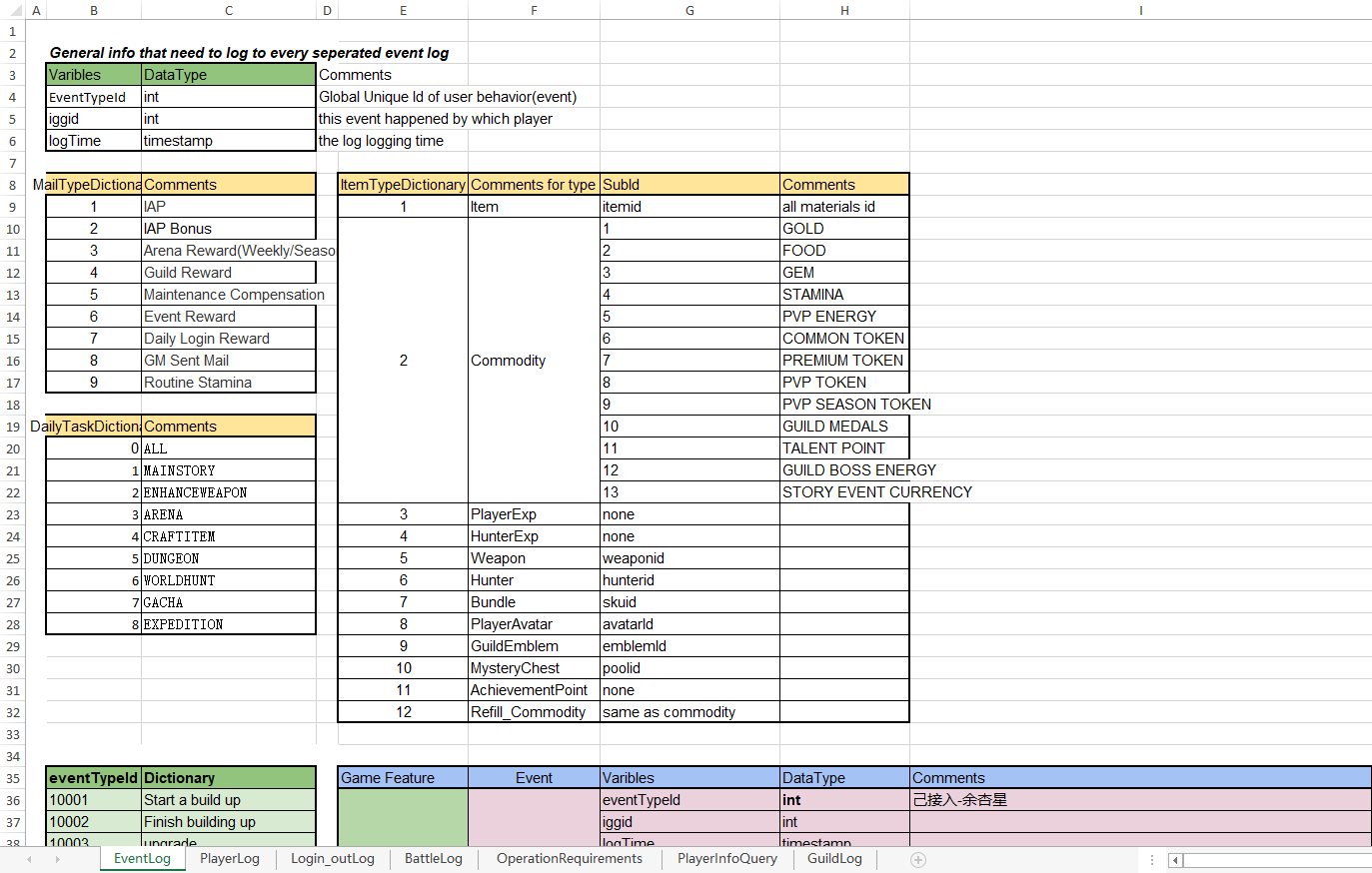
Telemetry documentation.
AI NPC interaction
AI settings interaction recording.