Case study updated September 9, 2026
Smart Speaker
VOICE UX | CONTEXT AND FEEDBACK | 2019 STUDY
Designing voice interaction around context
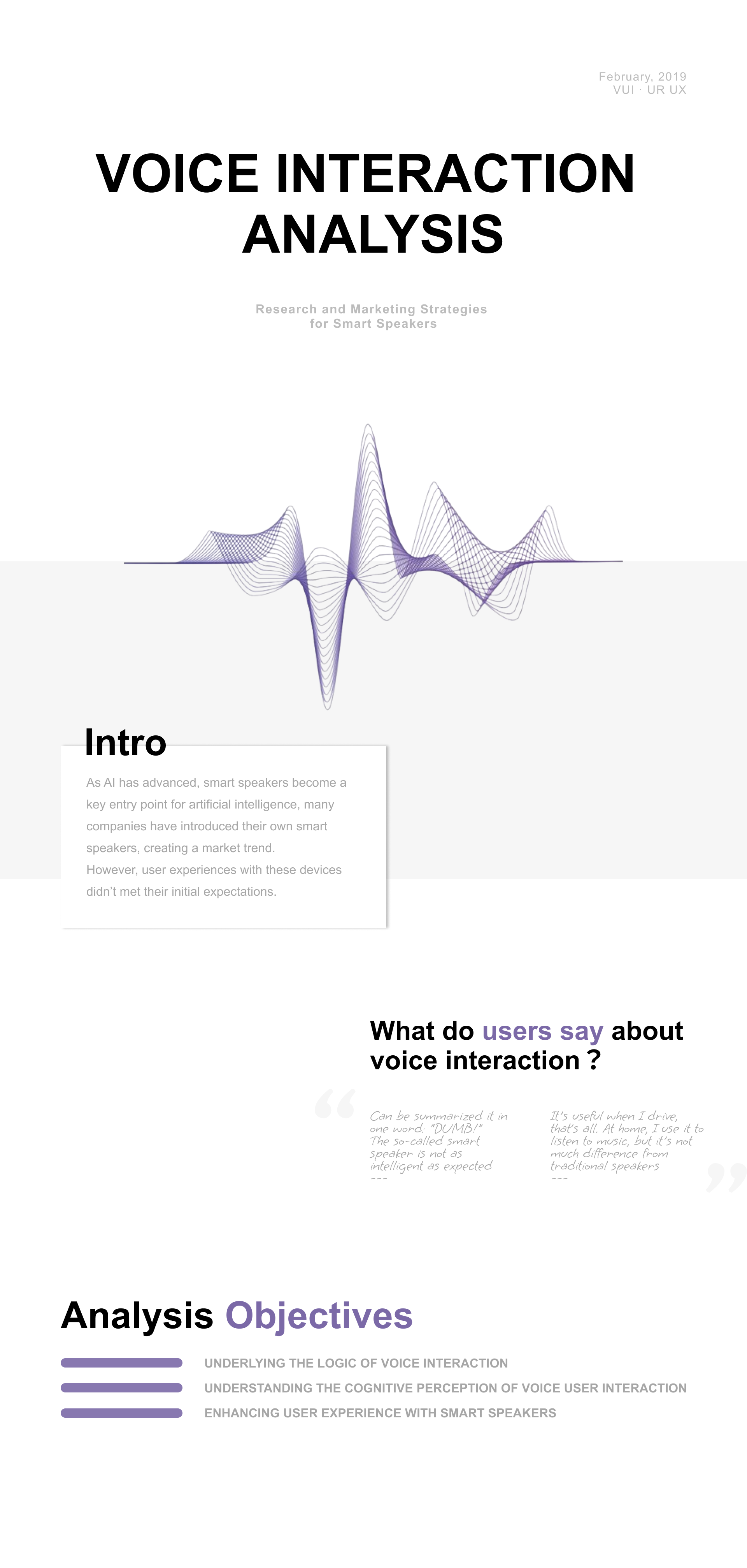
In this 2019 study, I explored the gap between expectations of smart speakers and the experience of using them. The work combined research into voice interaction with a proposal for product positioning and everyday use scenarios.
Role: UX Designer · Study period: 2019
The interaction problem
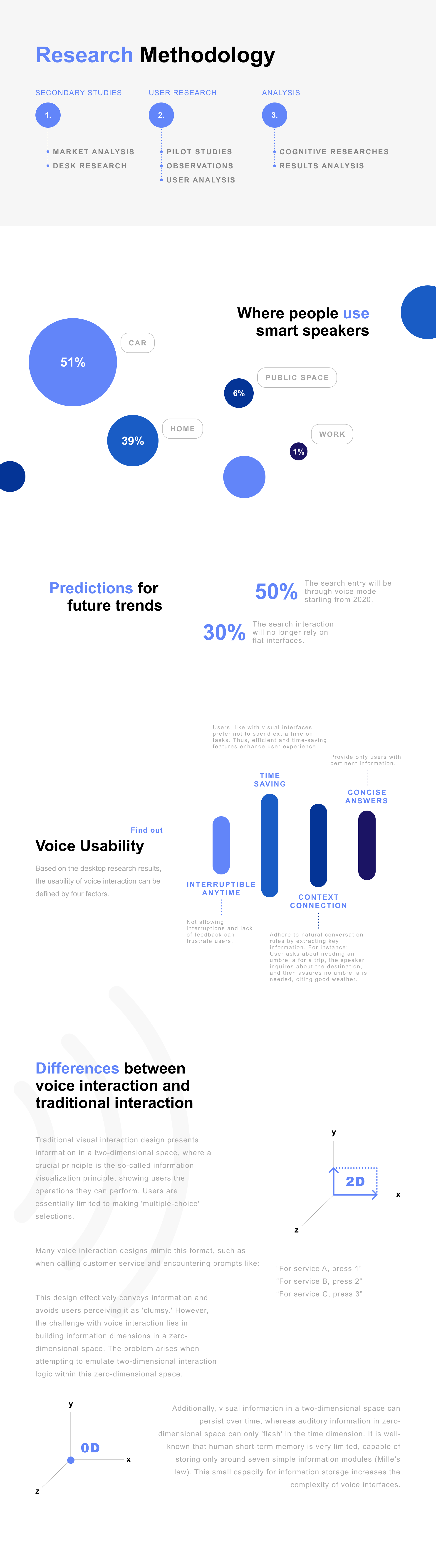
Voice interfaces cannot rely on the same persistent menus and visible choices as a screen. The study examined how people understand spoken responses, retain information and communicate what they want in context.
Design principles explored
- Keep responses concise and relevant to the current task.
- Allow interruption and give clear feedback about what the system understood.
- Use conversational context to reduce repeated instructions.
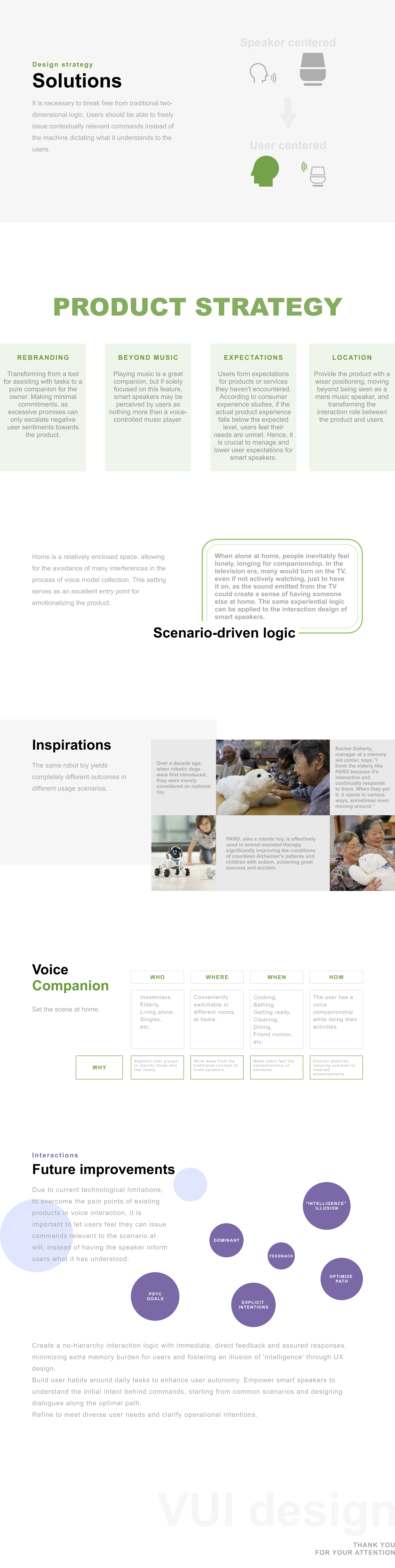
- Set expectations around the system’s actual capabilities.
From research to a product proposal
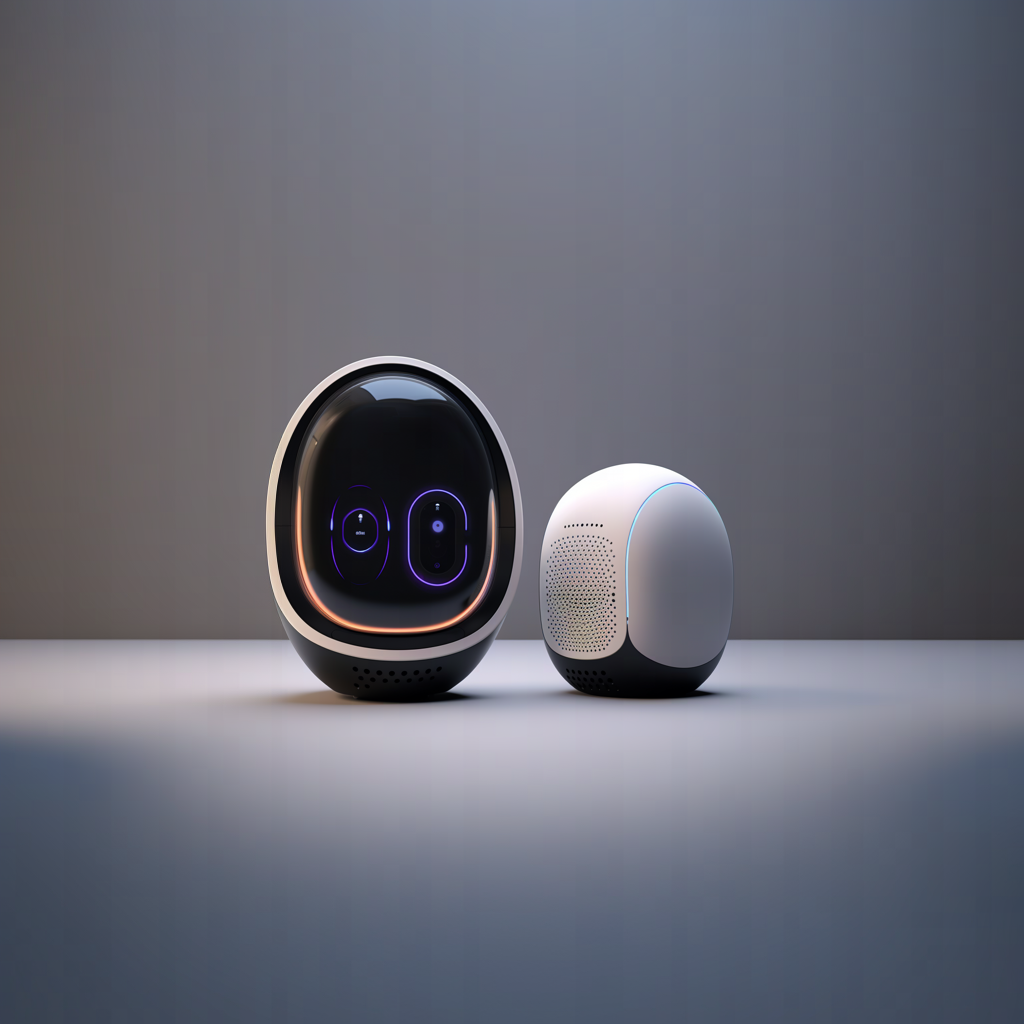
The proposal explored a voice companion for everyday situations at home, extending the product concept beyond music playback. It connected potential users, places and activities to interaction scenarios and product positioning.
This was a research and strategy proposal. The material does not demonstrate a shipped voice product or validated improvements in task performance.
What this adds to my portfolio
The case shows my interest in interaction beyond screens: feedback, memory demands, context and user expectations. Those questions also inform how I think about interactive characters and game interfaces.
Original 2019 presentation
The panels below retain the original research presentation. Market percentages and predictions are historical material with incomplete source detail; they should not be read as current evidence.